While we’re on the subject of islands, here’s Luing, from a visit in 2017.
Luing is one of the Slate Islands, in the same group as Easdale.
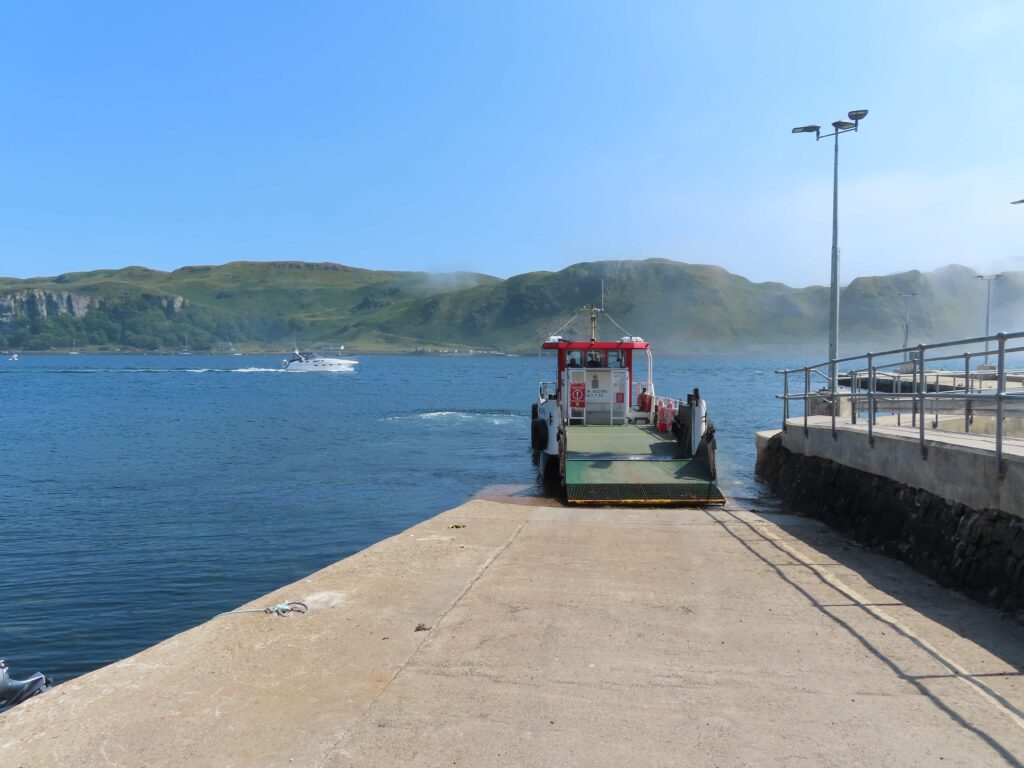
There is a small car ferry that runs from North Cuan on the mainland to South Cuan on Luing.
It is quite an unusual shape. The crossing takes about 5 minutes.
The island itself is great for walking. We walked from the ferry landing to Cullipool, the main settlement, and visited the Atlantic Islands Heritage Centre.
It was very picturesque and unspoilt – an easy way to get away from it all.
Two ferries run to Lismore. The larger car ferry operated by Caledonian MacBrayne runs from Oban to Achnacroish in the centre of the island. The journey takes around 1 hour. Booking is recommended.
At the north end of the island, a smaller passenger ferry runs between Point on Lismore, and Port Appin on the mainland. The crossing takes around 10 minutes.
We visited on a hot, clear day and it was spectacular. I look forward to visiting again for a better look.
Kerrera is a small island near Oban. Cars are allowed for residents only.
The Kerrera ferry runs from Gallanach, 2 miles from Oban – follow the road round from the main ferry terminal until you get to the slipway.
The MV Carvoria is the smallest ferry in Calmac’s fleet. The crossing takes around 5 minutes, carries 12 passengers, and does not usually need to be booked.
There isn’t a lot to do on Kerrera apart from walk, but the walks are scenic, and full of wildlife. I was accompanied by a while-tailed sea eagle flying along the shore.
The Kerrera Tea Garden and Bunkhouse is a good landmark to aim for (open seasonally), and there is a well-stocked farm shop up the hill from the ferry landing.
They were a while ago now, but what I did on my summer holidays was go to Oban (a town on the west coast of Scotland) with the goal of getting to as many Scottish islands as possible. Getting to, and staying on the islands has been pretty challenging this year – getting to the big islands was pretty much out of the question, but there are lots of small ones that are easily reachable from Oban or nearby.
Number 1: Easdale Island
Easdale is one of my favourite places on Earth. Home to the World Stone Skimming Championships, it is relatively easy to get to, and can be walked round in a day, or an afternoon depending on how much you want to see.
It is one of the Slate Islands – a chain of small islands in the Inner Hebrides, and is pitted with deep pools made from disused slate quarries.
The island is car-free – residents have wheelbarrows instead.
The small 10-people ferry runs regularly from Ellanabeich, which is also a pretty wee place.
The crossing takes about 5 minutes, and it is not possible to book it (there’s usually no need).
For the last few months (actually, more like years) I’ve been sorting through 18 years of digital photos scattered over hard disks, HD cards and even floppy disks. I almost lost them all once, and after that I decided it was time to make something a bit more permanent, for my own records if nothing else.
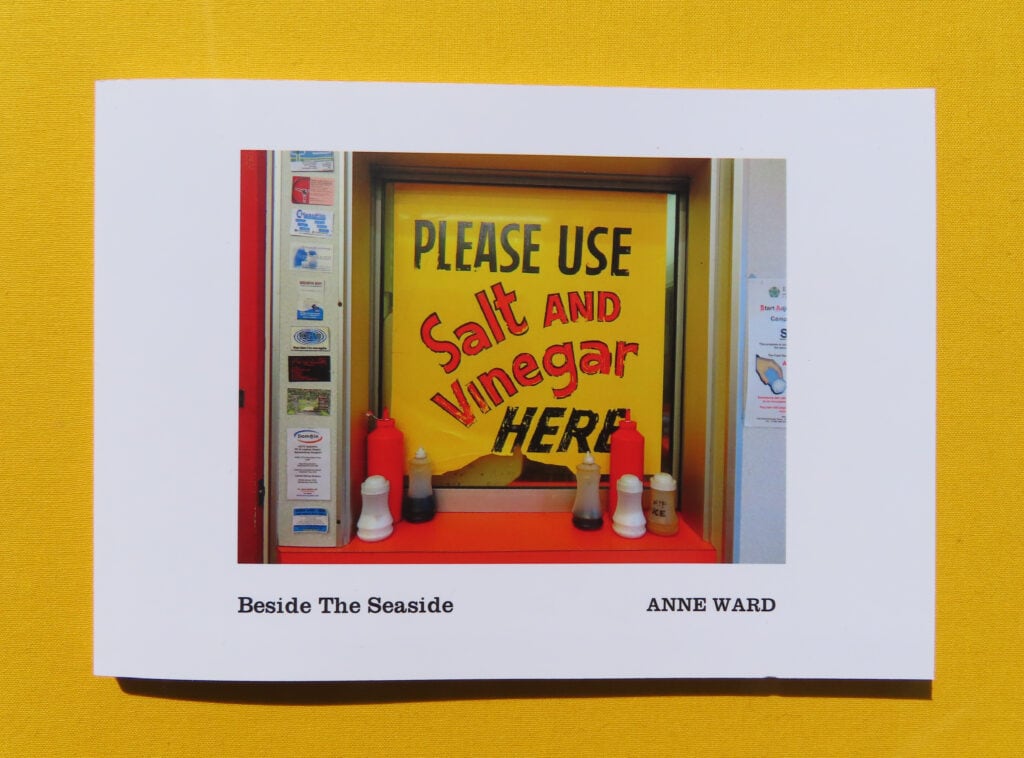
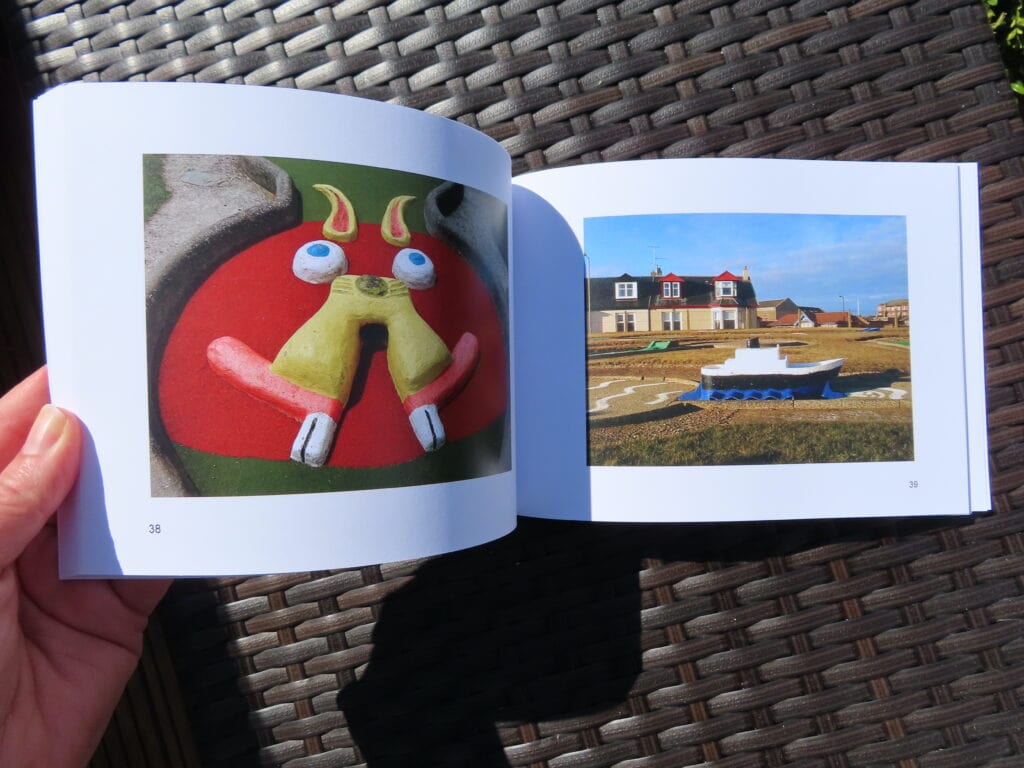
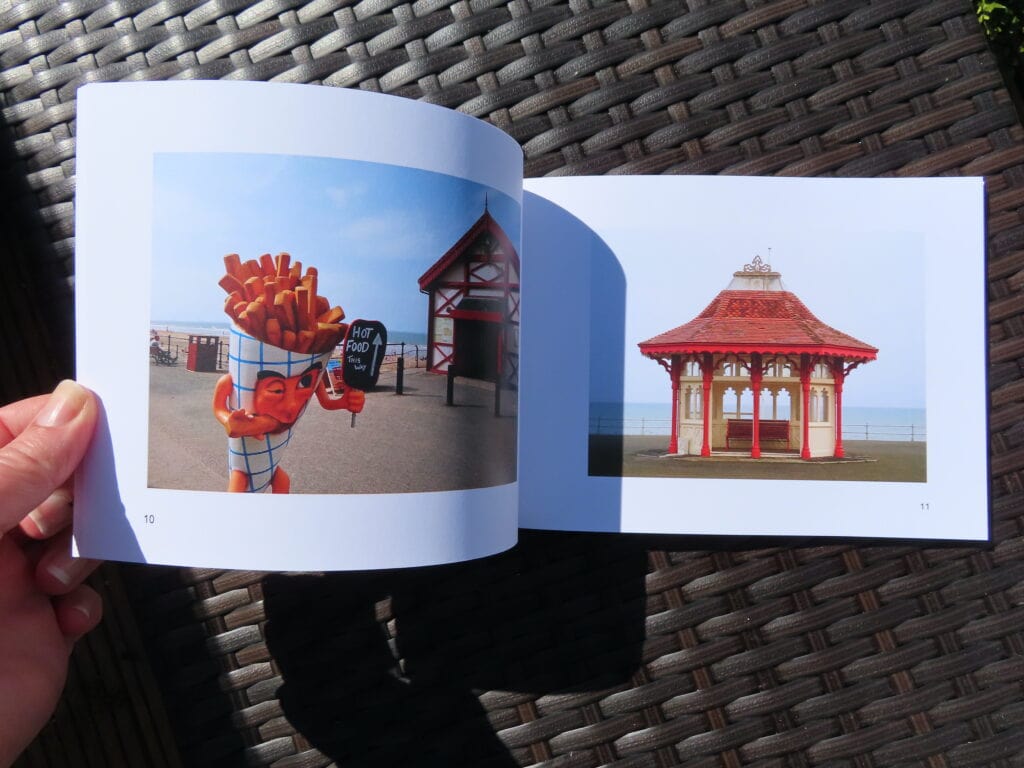
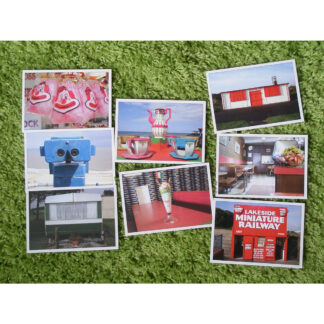
So here is Beside The Seaside – book one in what will be a series of photobooks, self-published in very small editions. Featuring 60 full colour photos of the British seaside, it is a neat and sturdy A5 softcover book.
You too can have a copy, if you so desire. The price of £8 includes UK Postage and Packaging (Royal Mail second class). If you’d like the book signed or dedicated to someone please add a note during checkout.
Alan Dimmick is a Glaswegian photographer, best known for photographing Glasgow’s art scene. He is posting archive photos on Instagram at the moment, fascinating to me because many are taken around Hyndland/Partick/Anniesland where I grew up.
The Windsor Cafe on Clarence Drive was my first local cafe, a real treasure trove of sweets and ice cream. The owners, pictured here, were a Scots-Italian brother and sister, with infinite patience from what I remember.
Jonathan Treen is also posting archive photos of 1970s Glasgow on Twitter (@JonathanTreen) just now. Some of the locations are instantly recognisable, others changed beyond recognition.
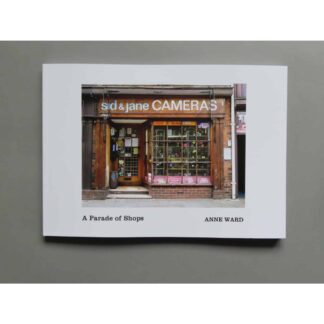
This is John Ferguson’s in Perth. One of the few remaining traditional urban outfitters.
Two shops on either side of County Place have been clothing the denizens of Perth since 1924.
One side sells outdoor equipment and workwear. The other, clothes and ‘napery’ (household linen).
Ferguson’s recently amalgamated these shops into new premises at South Methven Street. I’m sad now that I was there on a Sunday and didn’t get a chance to see inside.
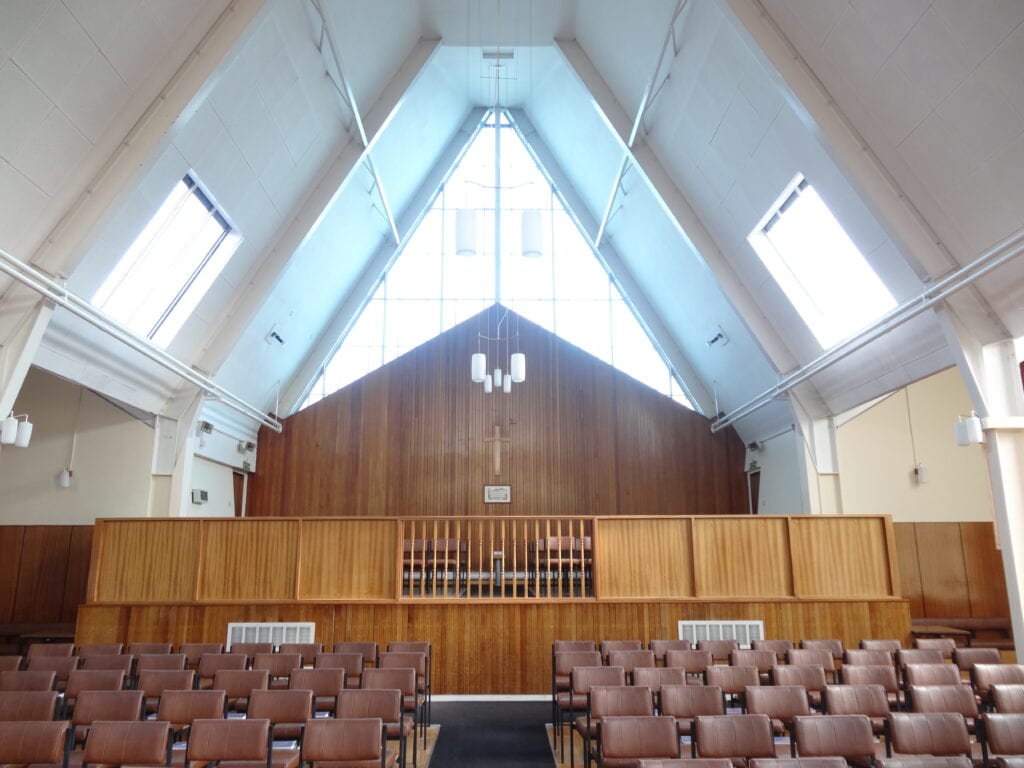
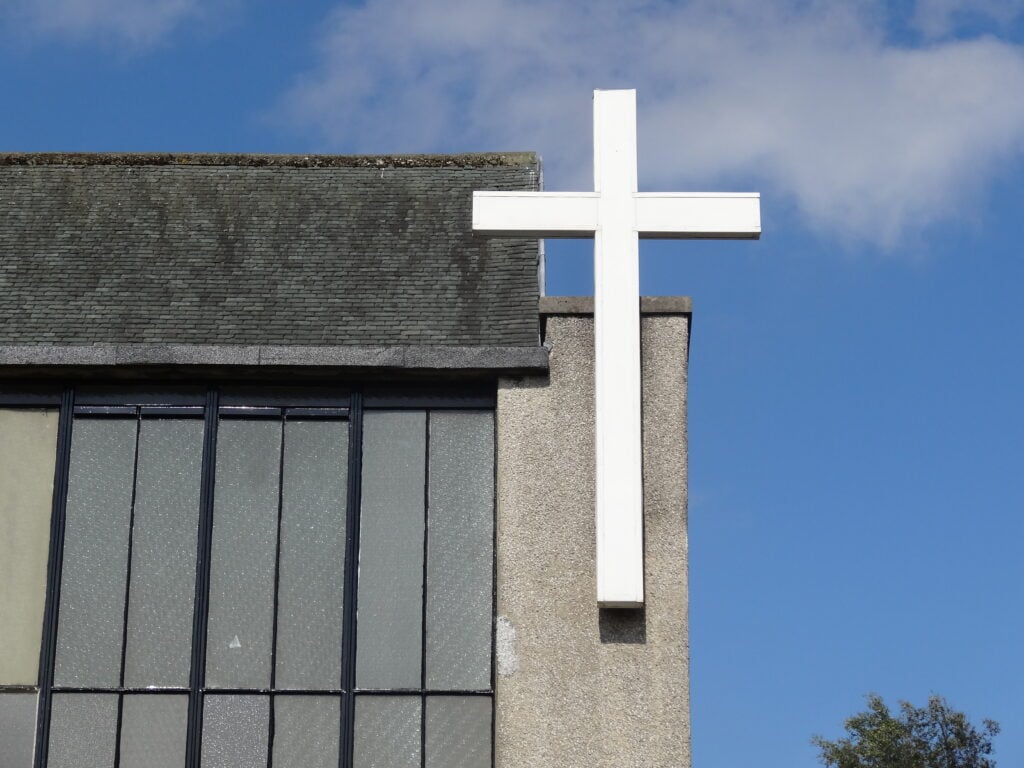
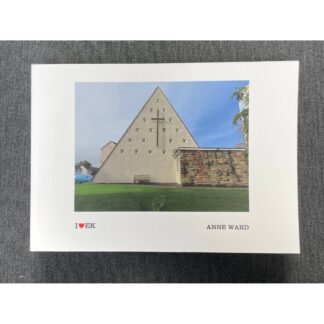
I’ve been enjoying the Twentieth Century Society’s focus on churches (@C20Society on Twitter). It sent me rummaging through my photos for some favourites.