For the last few months (actually, more like years) I’ve been sorting through 18 years of digital photos scattered over hard disks, HD cards and even floppy disks. I almost lost them all once, and after that I decided it was time to make something a bit more permanent, for my own records if nothing else.
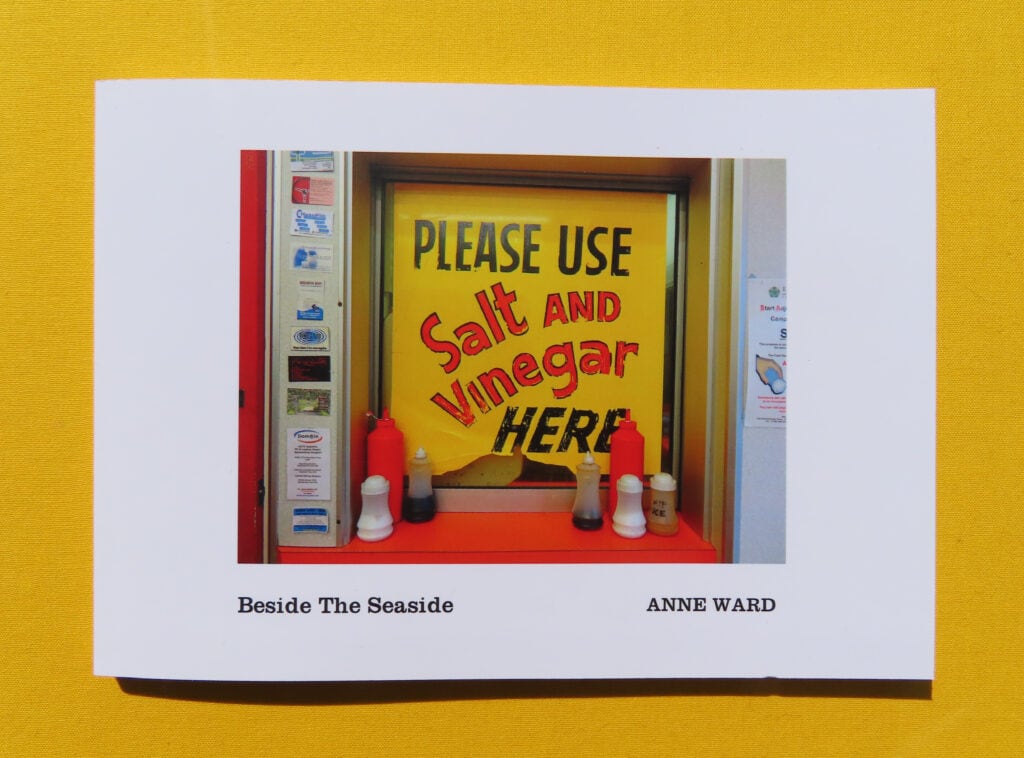
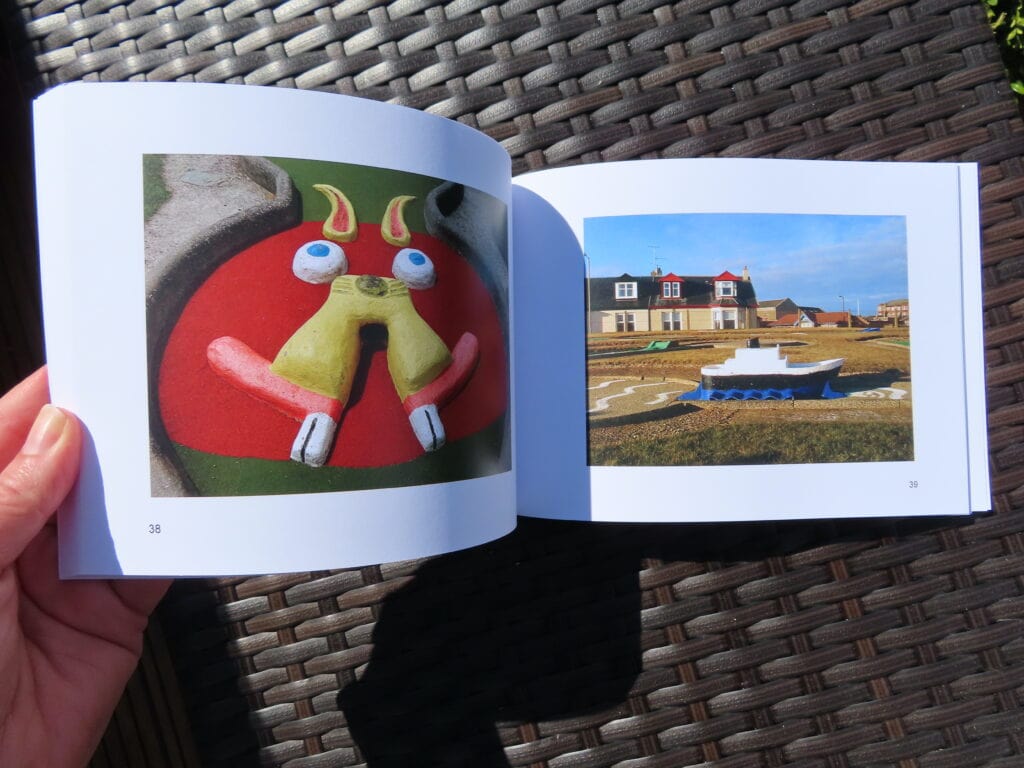
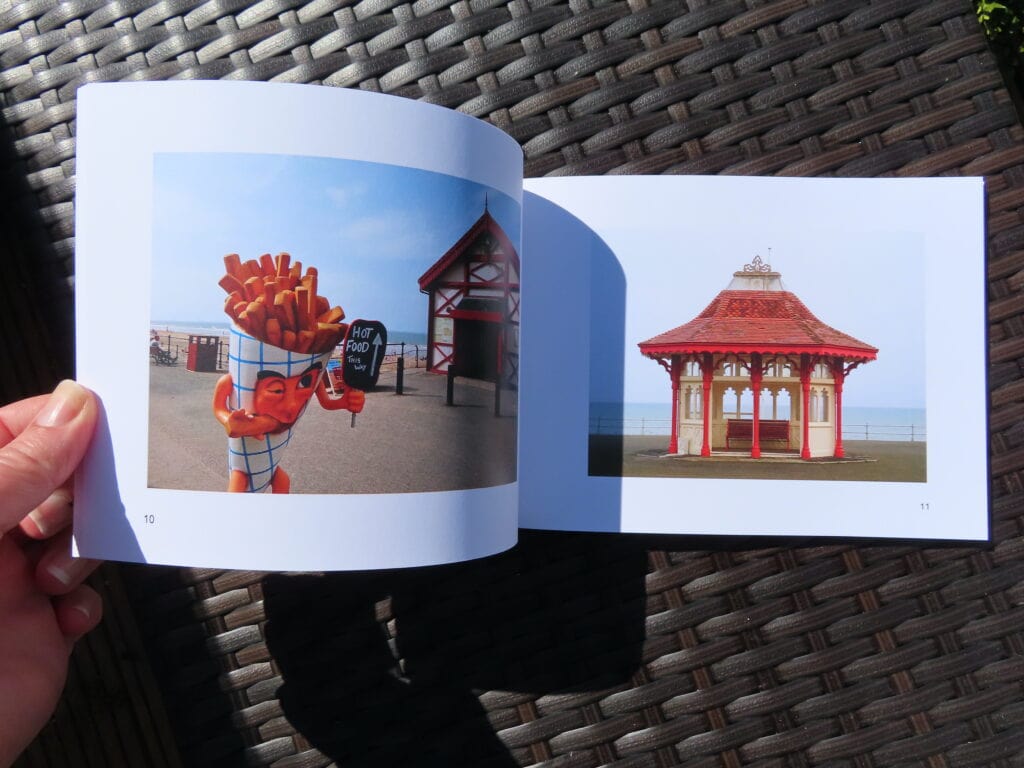
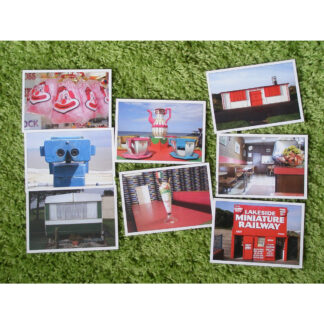
So here is Beside The Seaside – book one in what will be a series of photobooks, self-published in very small editions. Featuring 60 full colour photos of the British seaside, it is a neat and sturdy A5 softcover book.
You too can have a copy, if you so desire. The price of £8 includes UK Postage and Packaging (Royal Mail second class). If you’d like the book signed or dedicated to someone please add a note during checkout.
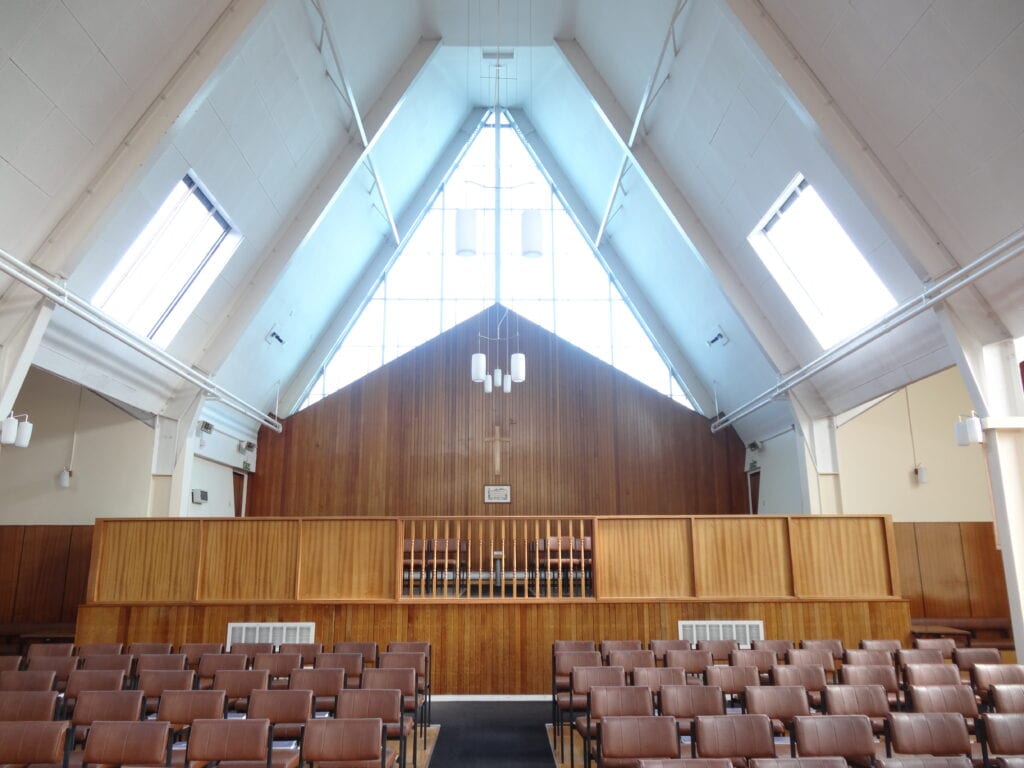
I recently visited Clifton Cathedral in Bristol, or the Cathedral Church of SS Peter and Paul, to give it its Sunday name. [Wikipedia]
The Nave with original Robin Day chairs
The Roman Catholic cathedral was designed by Ronald Weeks and a team from the Percy Thomas Partnership, and was completed in 1973. It is now Grade II Listed.
Hexagons and equilateral triangles are key to the design of the whole building.
It had just reopened for services again as restrictions were lifted.
Stations of the Cross by William Mitchell
“Originally intended to be executed in stone (it was thought that these would be damaged by later building work), the Stations were made by William Mitchell using Faircrete (a mixture of concrete, resin & nylon fibres). The artist was asked about what reaction people had to his work: ‘Well the work is a bit hairy I suppose, but then so was the experience of crucifixion.’” – from Wikipedia.
Even the bins are carefully designed. The walls show the shape of the timber used to cast the concrete.
Enjoy a virtual tour in David Essex’s video for Oh What a Circus.
Alan Dimmick is a Glaswegian photographer, best known for photographing Glasgow’s art scene. He is posting archive photos on Instagram at the moment, fascinating to me because many are taken around Hyndland/Partick/Anniesland where I grew up.
The Windsor Cafe on Clarence Drive was my first local cafe, a real treasure trove of sweets and ice cream. The owners, pictured here, were a Scots-Italian brother and sister, with infinite patience from what I remember.
Jonathan Treen is also posting archive photos of 1970s Glasgow on Twitter (@JonathanTreen) just now. Some of the locations are instantly recognisable, others changed beyond recognition.
This is John Ferguson’s in Perth. One of the few remaining traditional urban outfitters.
Two shops on either side of County Place have been clothing the denizens of Perth since 1924.
One side sells outdoor equipment and workwear. The other, clothes and ‘napery’ (household linen).
Ferguson’s recently amalgamated these shops into new premises at South Methven Street. I’m sad now that I was there on a Sunday and didn’t get a chance to see inside.
I visited Irvine a couple of months ago, after winning a night out there in a raffle.
The fifth of Scotland’s new towns – the others are East Kilbride, Cumbernauld, Glenrothes and Livingston – it was added onto an existing (and very pretty in parts) historic town.
The vision for Irvine was spectacular space-age Brutalism. The reality doesn’t quite match the vision but there are some interesting things going on with bus lanes, and a strange predilection for tiny, irregular windows.
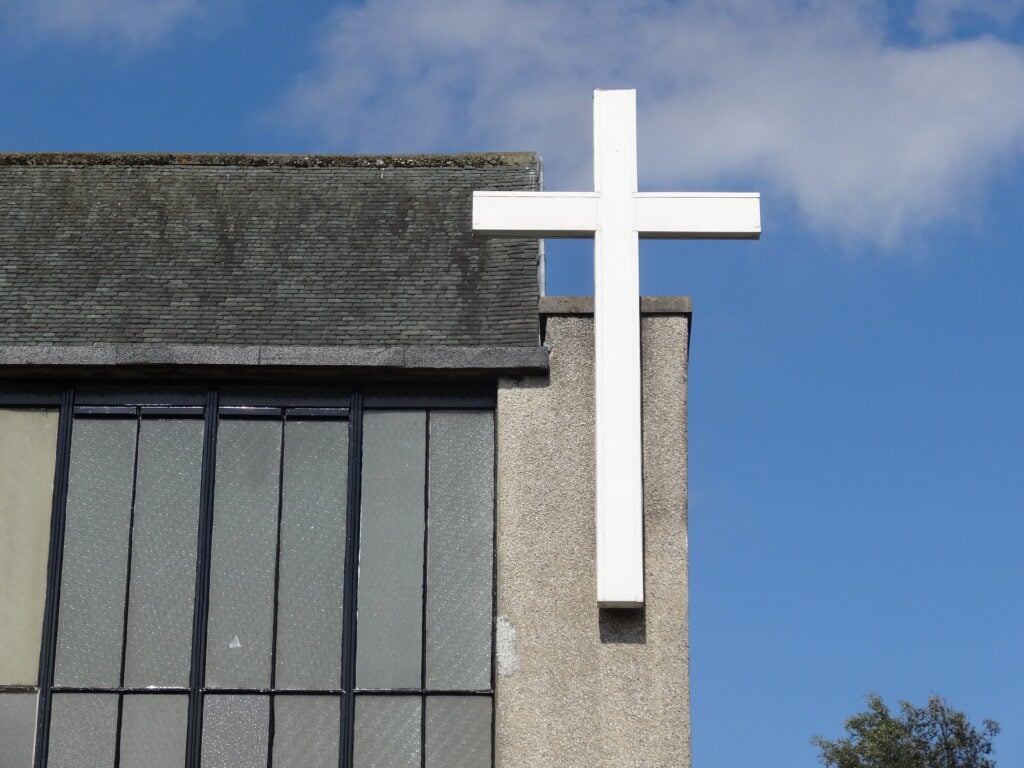
I’ve been enjoying the Twentieth Century Society’s focus on churches (@C20Society on Twitter). It sent me rummaging through my photos for some favourites.
I’m not sure if any city is as proud of its coat of arms as Glasgow. You are never far from one – old or new, carved, engraved, painted, high or low – they are everywhere. Glasgow Coat of Arms started collecting them on Twitter @GlasgowCoA, and the crowdsourced results are currently on show at Glasgow City Heritage Trust in Bell Street until 6 Feb.
The story of St Mungo (Glasgow’s patron saint) and the book, the bell, the fish and the tree certainly caught my imagination at school, particularly the part about the salmon and the ring thrown into the river by the queen’s lover. That seemed a bit racey for primary school, particularly a Catholic one, but it did make saints seem cool.
I’m pleased to have contributed this wee St Mungo door knocker found on Easdale Island, 120-odd miles away from home. The collection is also on Instagram at instagram/GlasgowCoA and is growing all the time.