Haven’t been out much recently, so I’ve been travelling the world on a small screen.
Humberston Fitties, historic plotland developments on the bank of the Humber in Cleethorpes, lovingly documented by Seagull Swamp.
How curling stones are made – quarried from Ailsa Craig, a well-known landmark off the west coast of Scotland, and made to Olympic standard by one company in Mauchline – photos by Andy Buchanan
The Hermit of Treig – a great documentary about Ken Smith, who has lived alone off-grid on the shore of Loch Treig for the last 40 years. Incredible for his hardiness and indefatigability, I was fascinated with his thorough approach to record-keeping and the daily admin of being a hermit. (Not currently available on iPlayer but it has been repeated a few times).
The story of Clarion Clubhouses, founded by socialist organisations for the benefit of walkers and cyclists visiting rural areas. Found via a Guardian article about the last Clarion House in Lancashire, which I would very much like to visit.
Slow Ways – help create a national walking network.
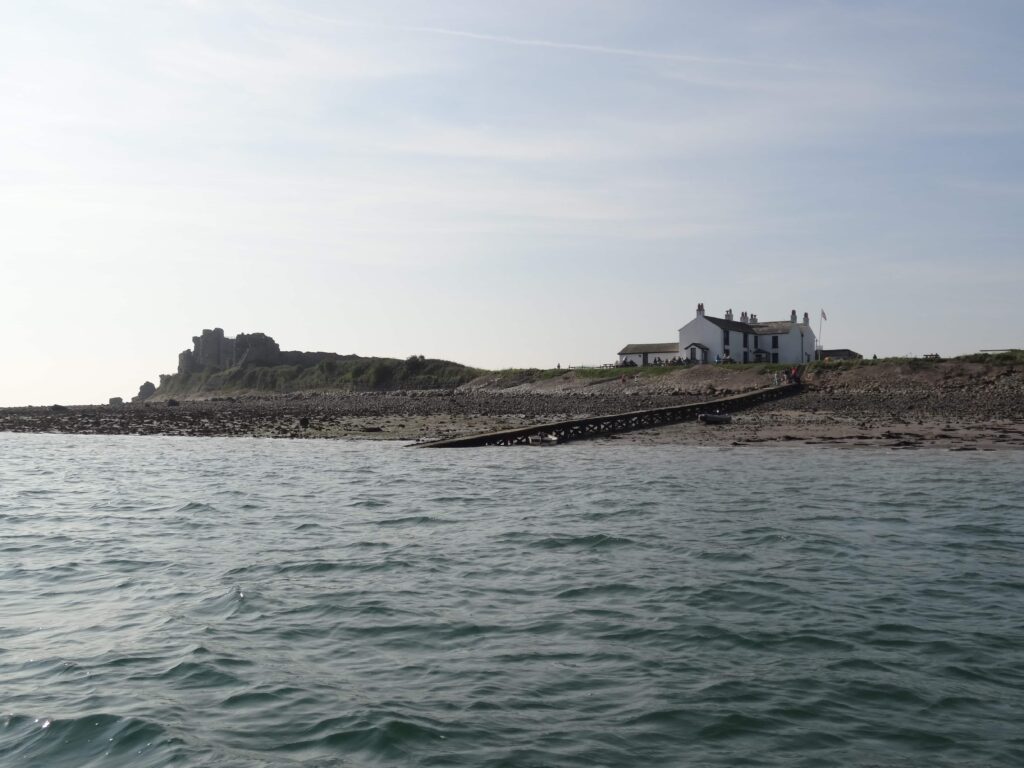
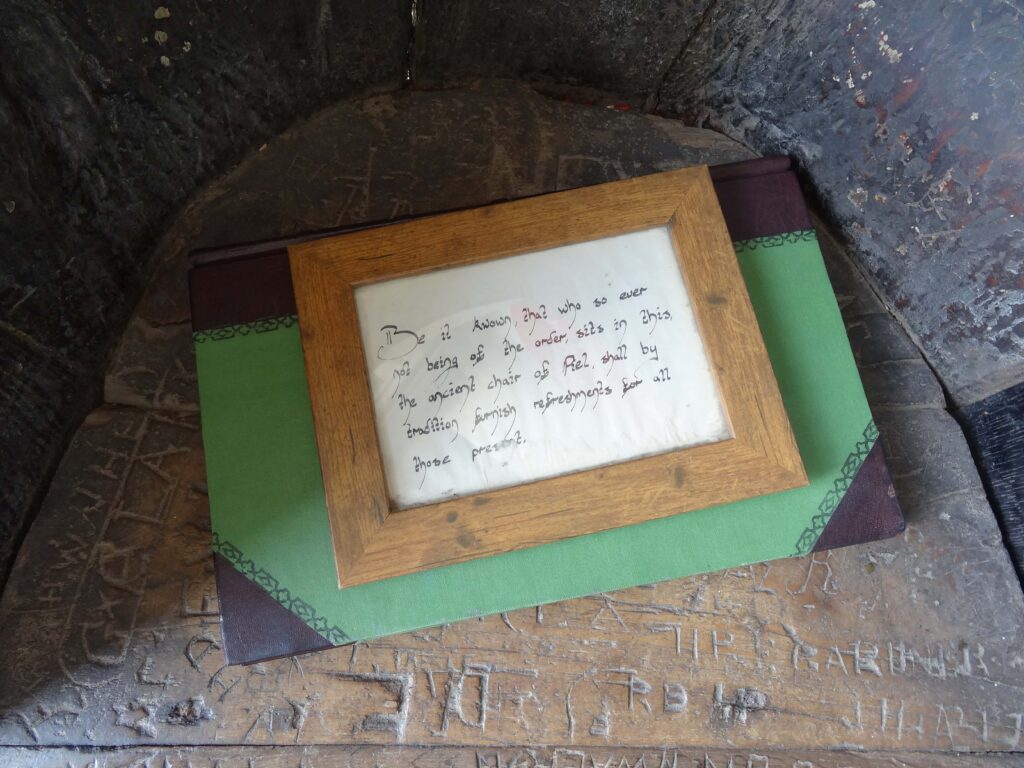
Piel Island – a tiny island in Cumbria off the coast of Barrow-in-Furness – is looking for a new ruler. For reasons that have become slightly hazy, the licensee of the Ship Inn, Piel’s only pub, is crowned the King or Queen of Piel.
The ‘coronation’ ceremony involves sitting on a throne and having beer poured over their head.
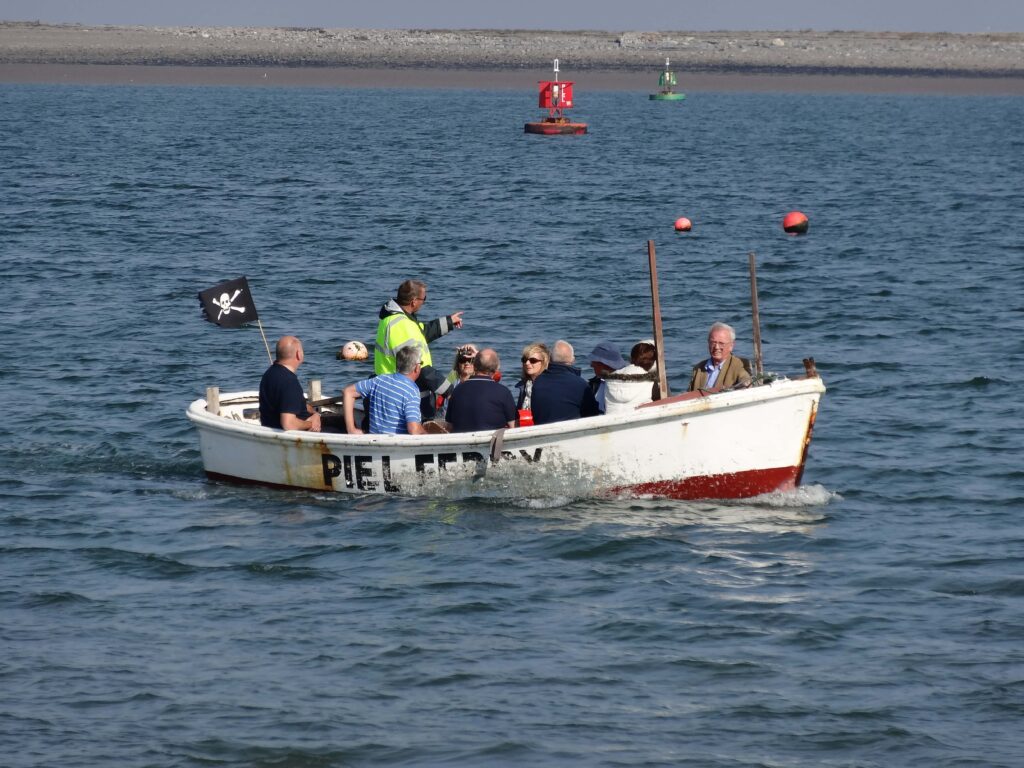
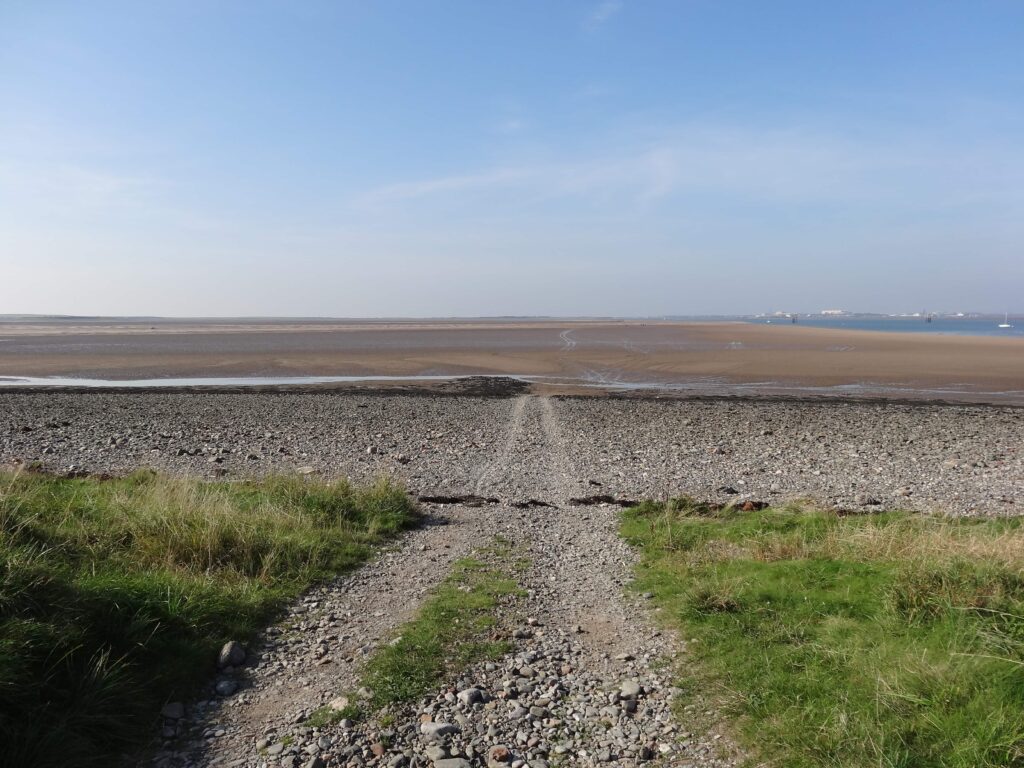
Piel is a tidal island, and can be reached by ferry from Roa (at times).
At low tide, it’s possible to walk across the sands (careful now).
For a small island, it punches above its weight with one substantial ruined castle, one thriving pub and one row of very solid-looking houses.
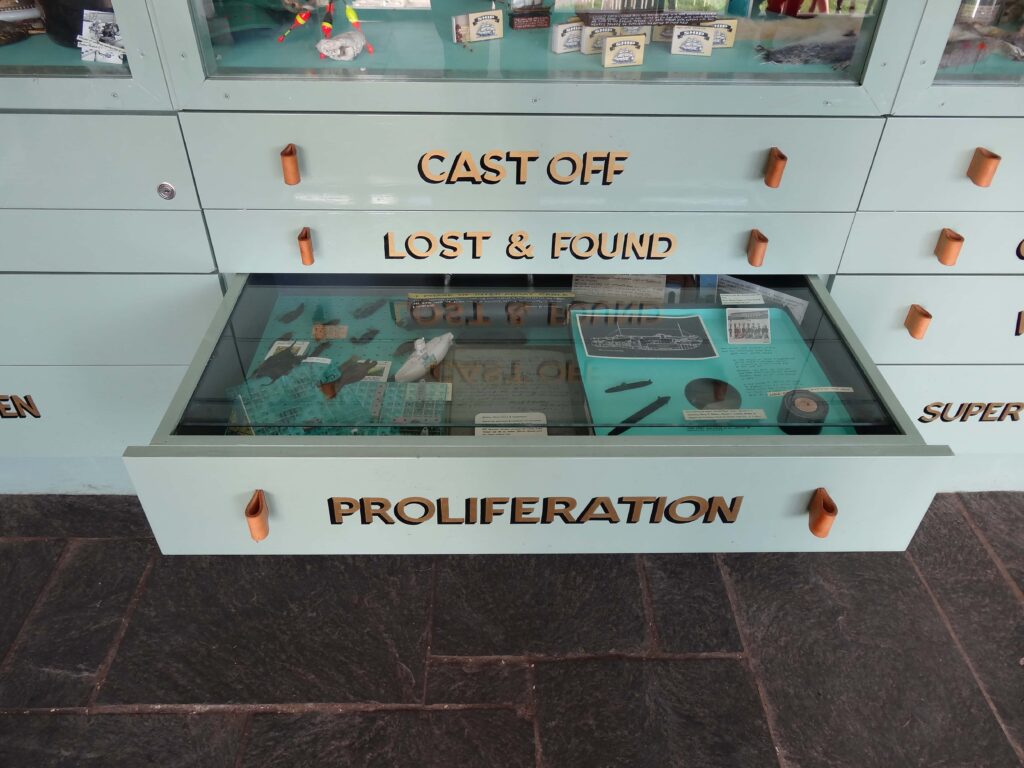
When we visited, there was a great display in the Ship Inn, full of historical artefacts.
If you like to get away from it all, it might be worth a shot.
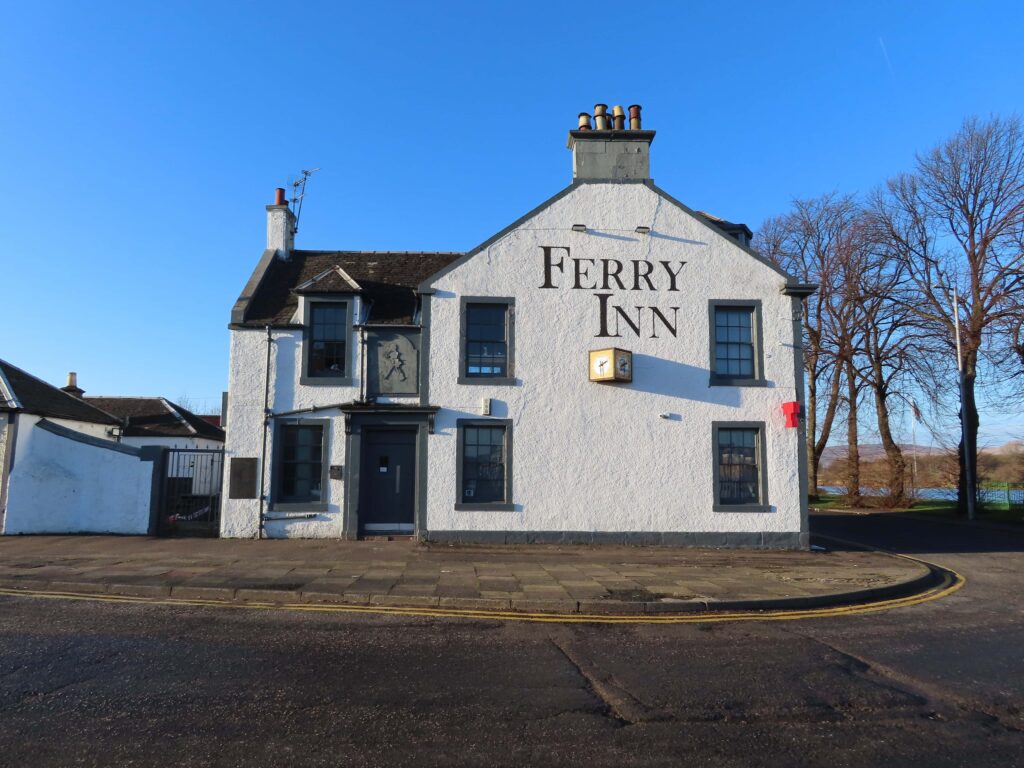
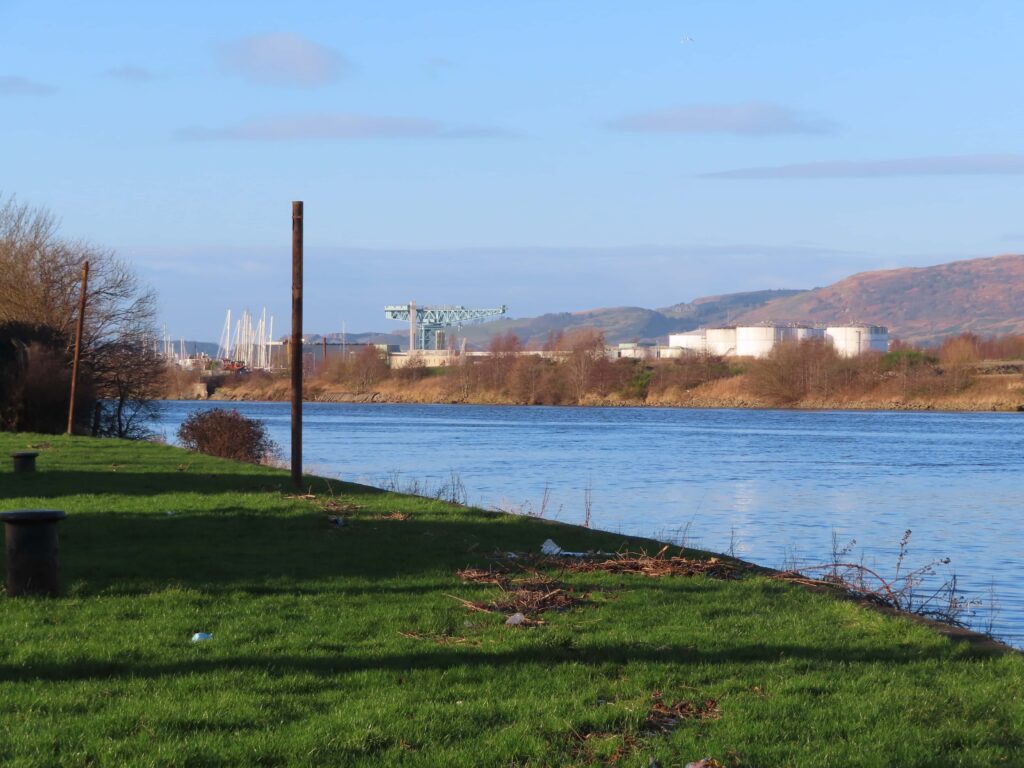
I took advantage of the sunny weather to go somewhere I haven’t been before – a trip on the Renfrew-Yoker Ferry. This is the only regular ferry that I know of still running in Glasgow, since the Govan Ferry has been off for the last couple of years.
This crossing has been in operation over a hundred years, in one form or another. The old Renfrew Ferry is now an entertainment venue in Glasgow city centre. The current ferry is for foot passengers and cycles only, and runs on demand between Renfrew and Yoker. The ferry is operated by ClydeLink – check for updates on Twitter @RenfrewFerry.
The ferryman said they have lost 90% of their business over the festive season and have had to implement the first price rise in 10 years. A single journey now costs £2.50 (was £2) – cash only.
The crossing only takes a few minutes. Not the most scenic, it has to be said, but there is a great moment in the middle where you can look right up and down the Clyde. For a city that’s so connected to its river, it’s actually quite hard to get on it (unless you join a rowing club).
Any trip to Yoker is accompanied by the spirit of Limmy’s DeeDee, who now has a cafe named after him on Dumbarton Road.
Sadly the Renfrew-Yoker ferry was permanently withdrawn from service in May 2025, following the opening of the Renfrew Bridge.
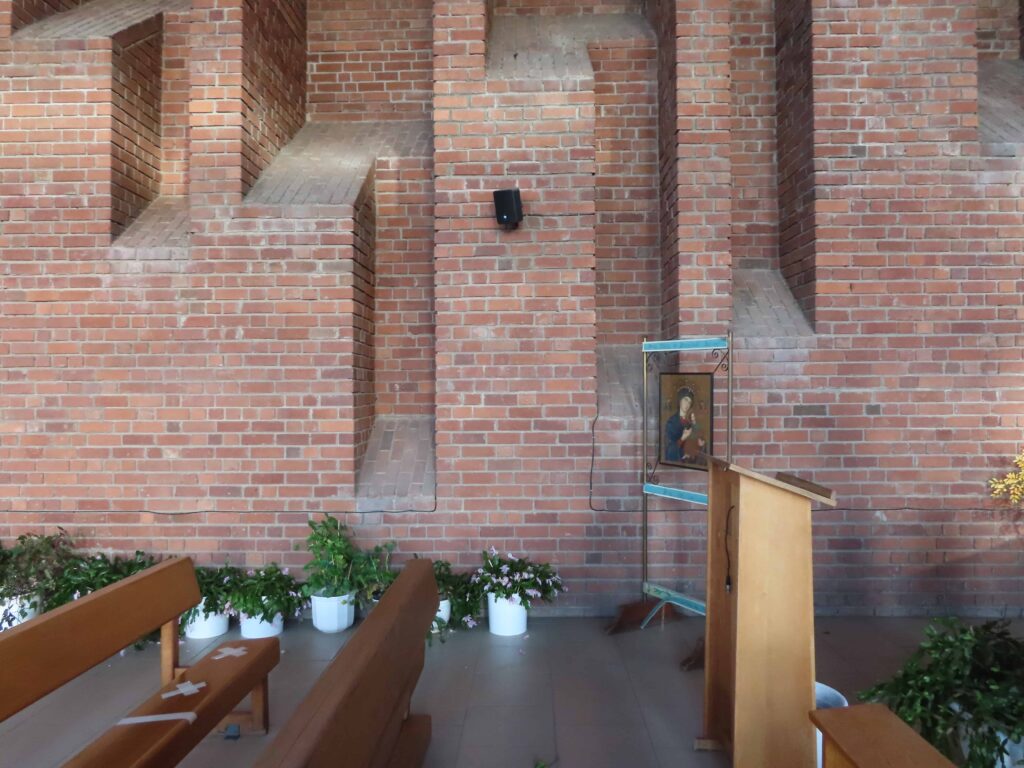
Designed by renowned architecture practice Gillespie, Kidd and Coia, it opened in 1965 and is Grade ‘A’ listed.
It was built around the same time as St Bride’s in East Kilbride, another huge brick box designed by GKC. St Patrick’s is not quite as ornate as St Bride’s (although it’s strange to describe either building as ornate) but it is still striking.
The use of windows and roof lights to let in the light in interesting ways is one of its best features.
There is a very good paper on the history of St Patrick’s and development of other Gillespie, Kidd and Coia buildings on the St Patrick’s website (PDF).
The church and GKC buildings are feted in the architectural world. The paper (PDF) balances this with tales of leaky roofs and drafts that would knock old ladies off their feet.
Thankfully St Patrick’s has been carefully looked after and is a remarkable church to visit.
Thought I would squeeze in another island while the weather is still decent. Off to Rothesay we go.
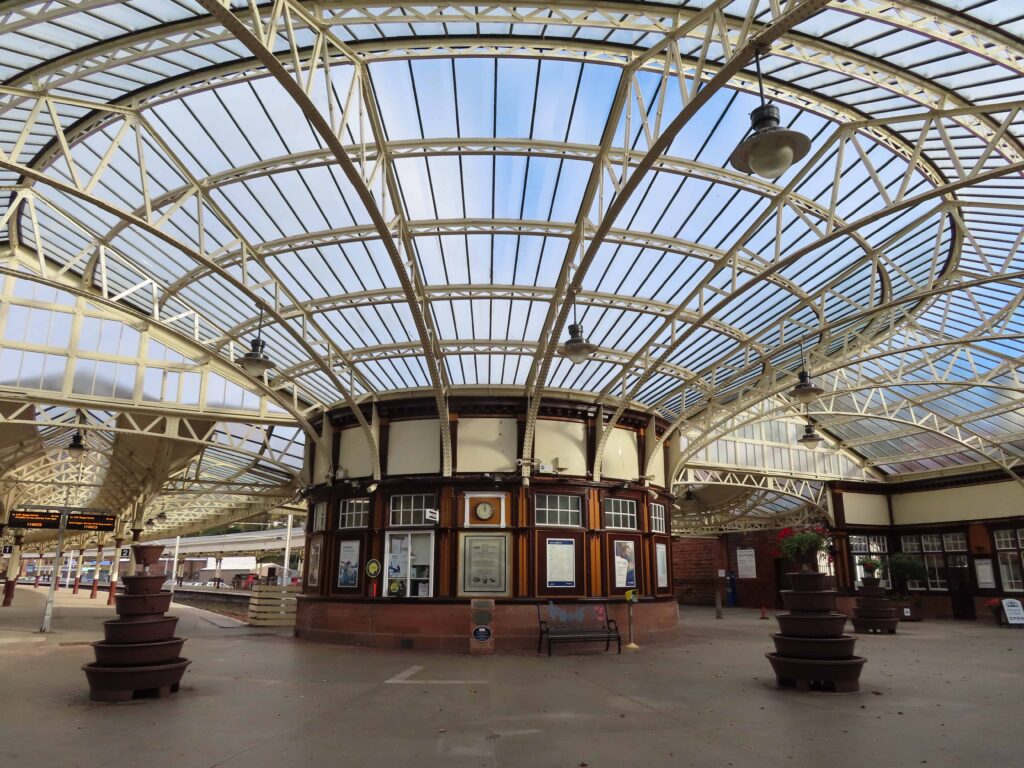
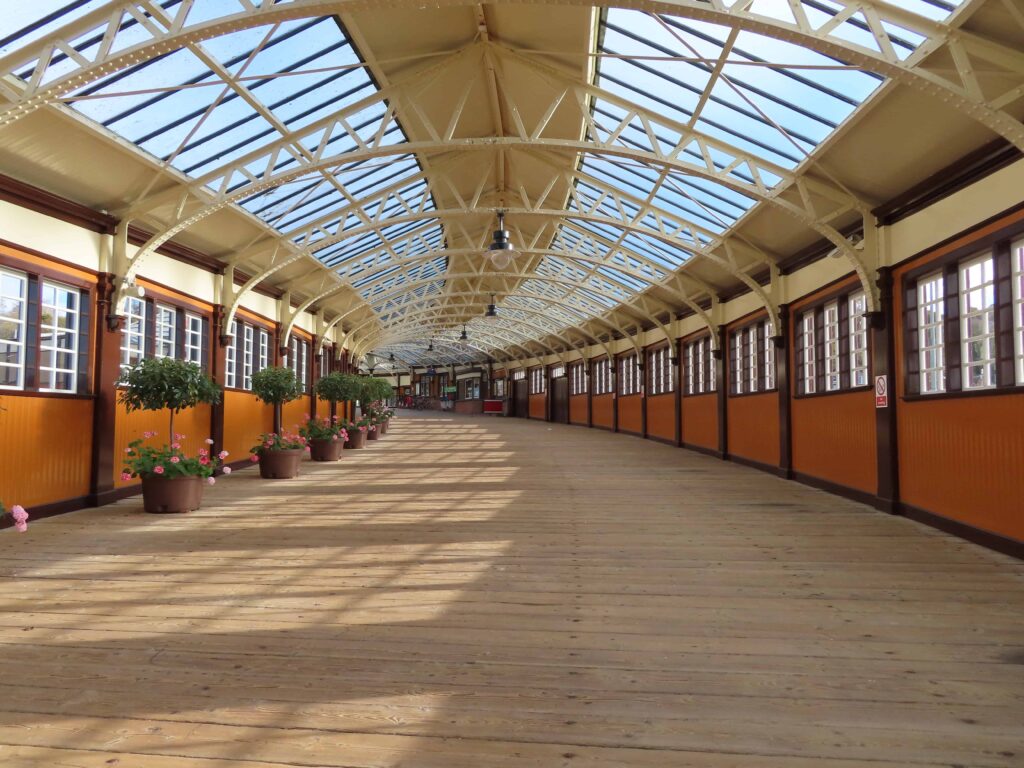
Rothesay is the main town on the Isle of Bute. It is easy to get there from Glasgow by train and as a bonus, you get to go through Wemyss* Bay Station, one of the most beautiful railway stations in the UK.
(*pronounced Weems)
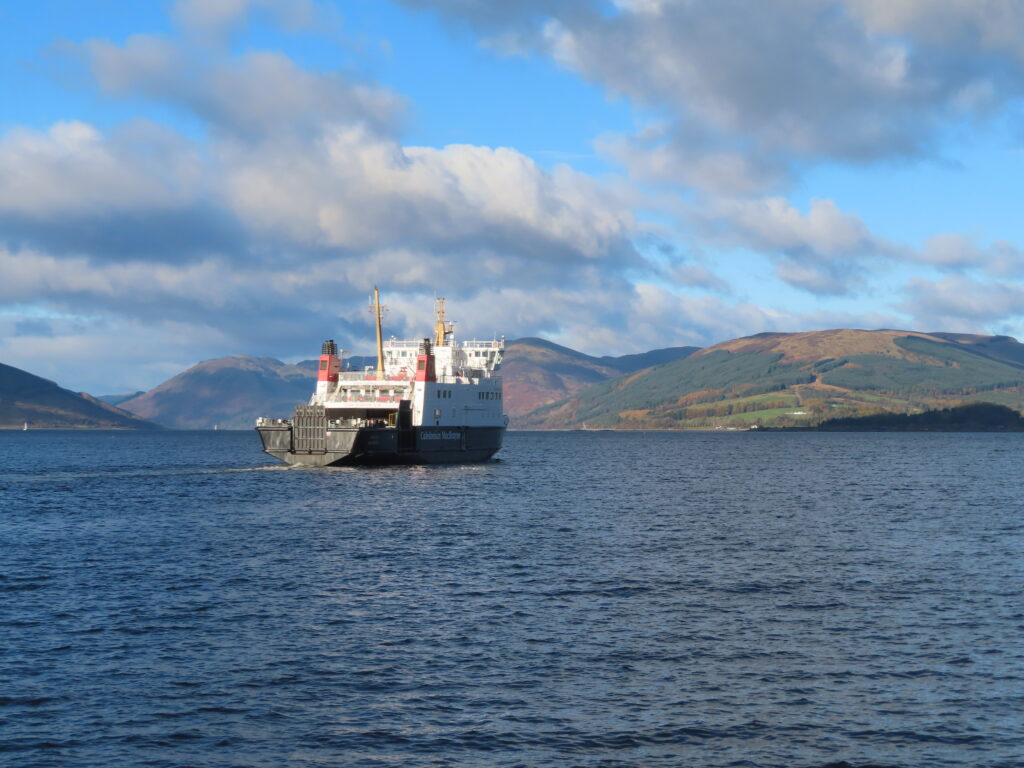
Get off the train and go down the adjoining walkway to get the ferry (operated by CalMac). The scenic crossing through the First of Clyde takes around 35 minutes.
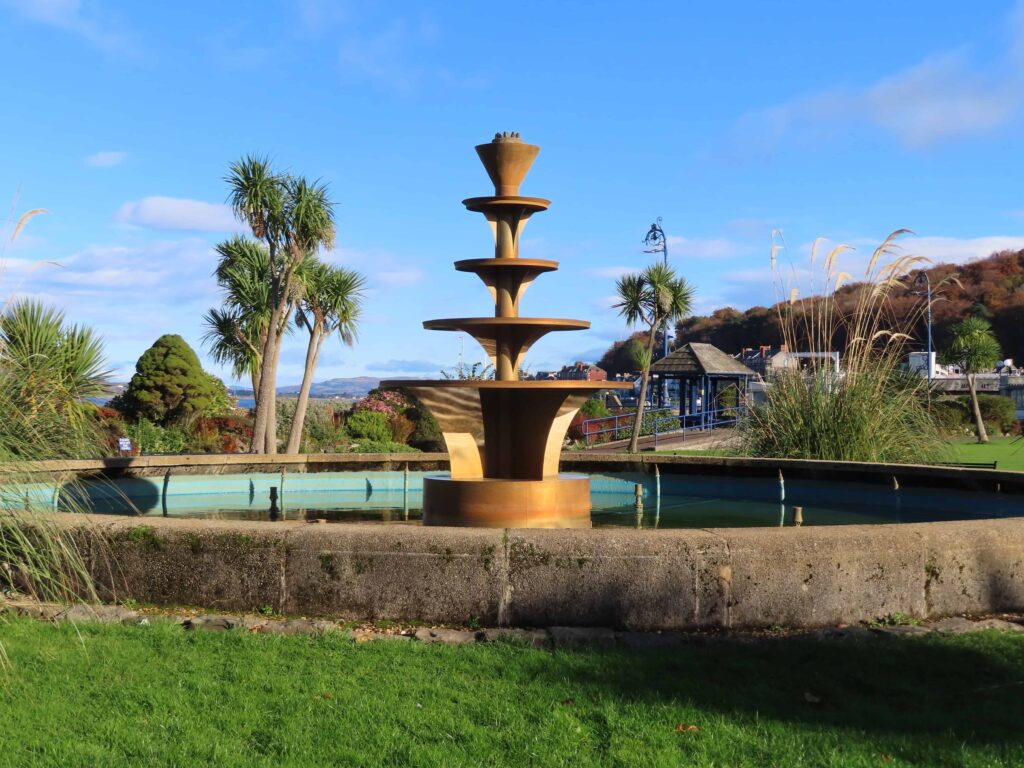
Bute is one of the easiest islands to visit, because it’s so accessible. Get off the ferry and you’re right in the centre of Rothesay. The Esplanade has a lovely vintage seaside feel.
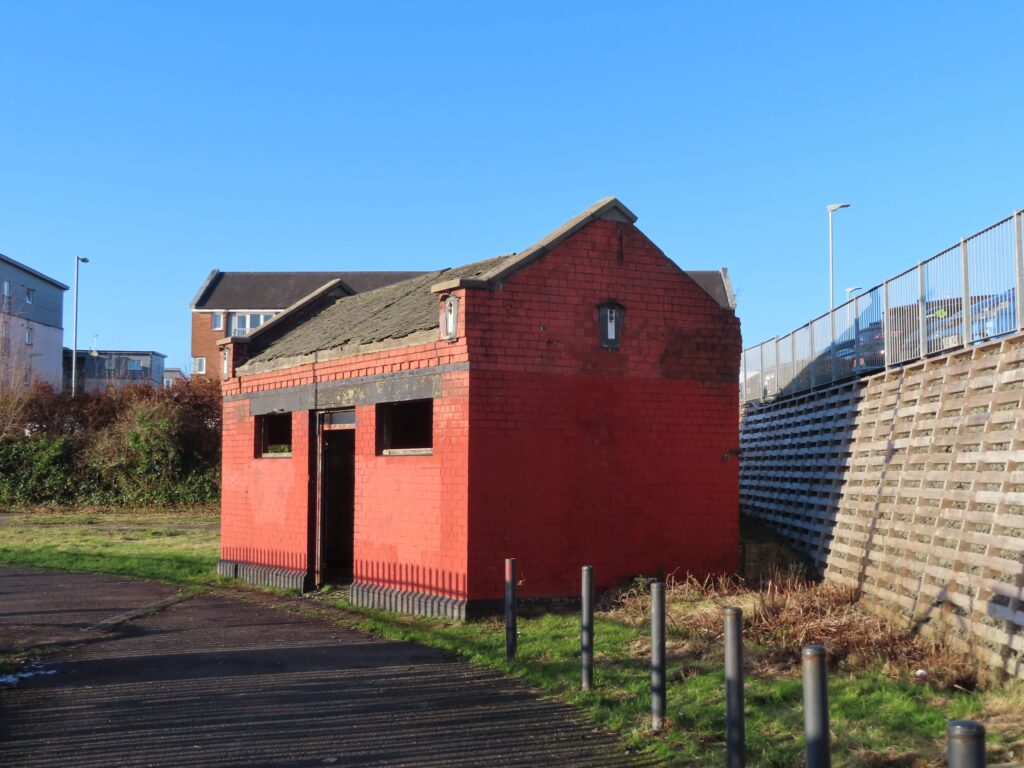
There are all kinds of shops and odd things to look at. Sadly, Zavaroni’s, home of the Top Hat (an ice cream cone with a Tunnock’s snowball squashed into it), and the Victorian toilets were both closed.
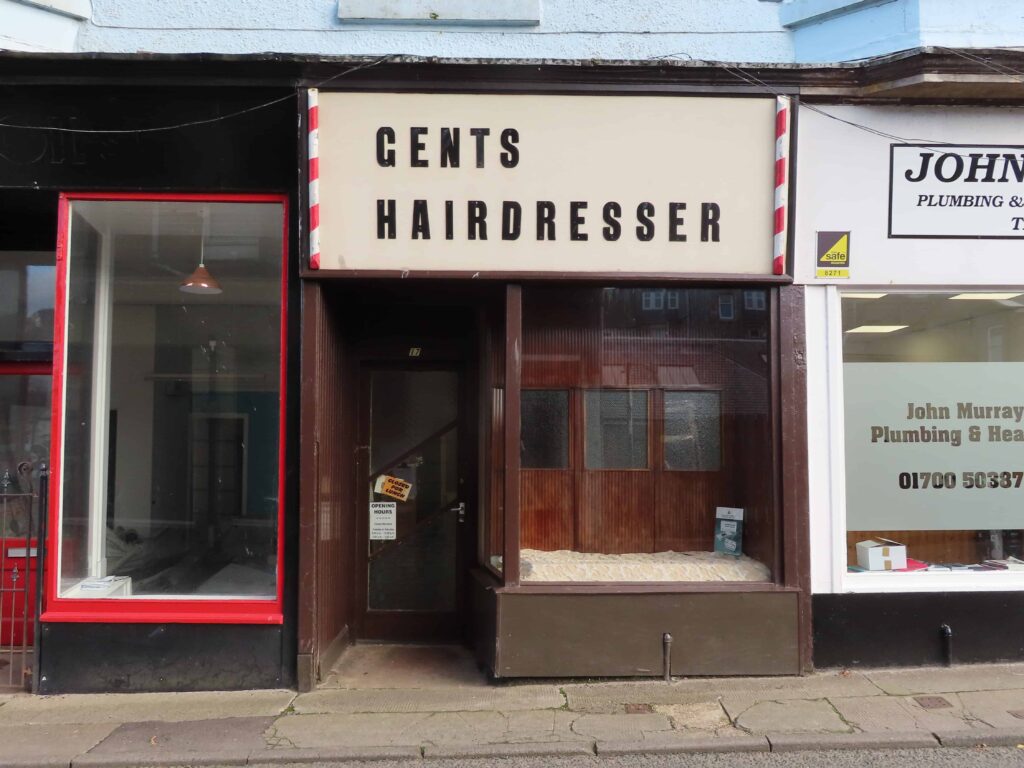
This little gem was still open – I was taking a picture of the shopfront, thinking it had long closed, when the owner came back from lunch and gave me a wee look inside. He said he’ll be closing up at the end of the year.
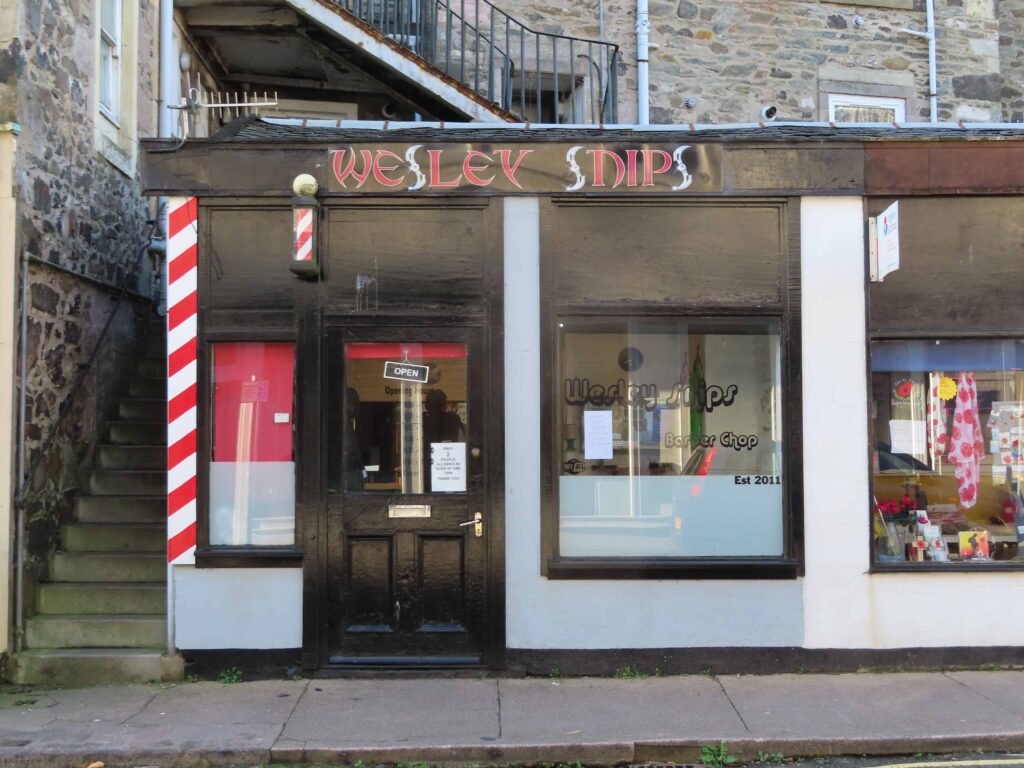
How can you compete with young guns like Wesley Snips?
After that it was time to head home again, with a beautiful view of all the Victorian villas along the shore and a plan to see more of Bute on my next visit.
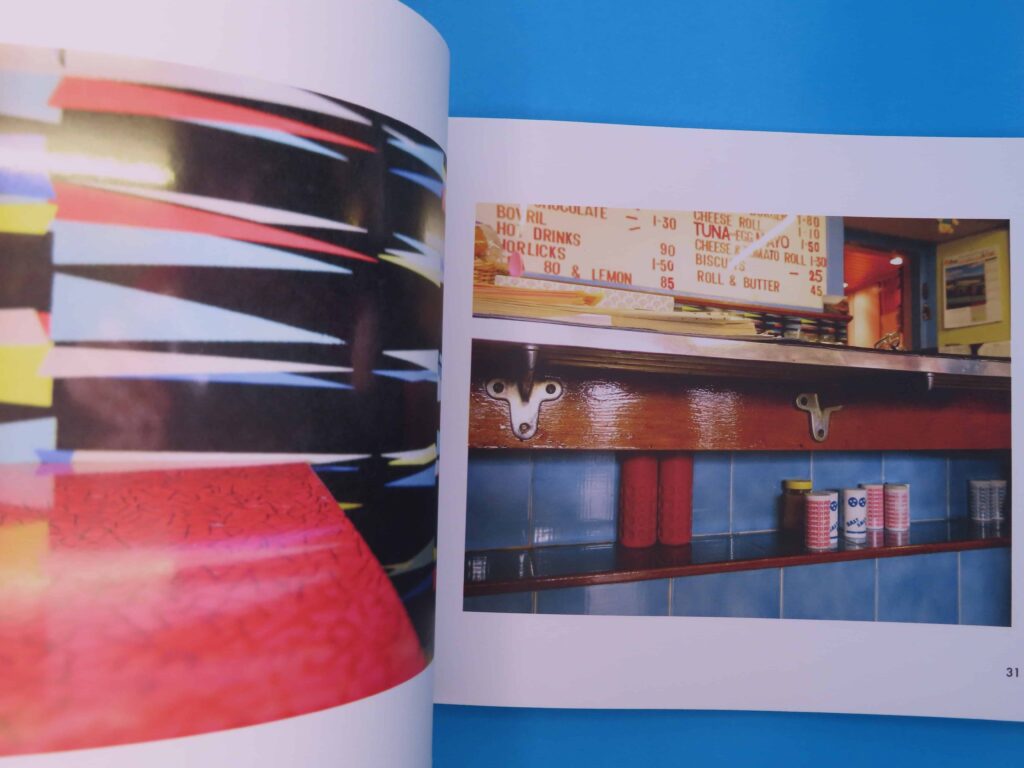
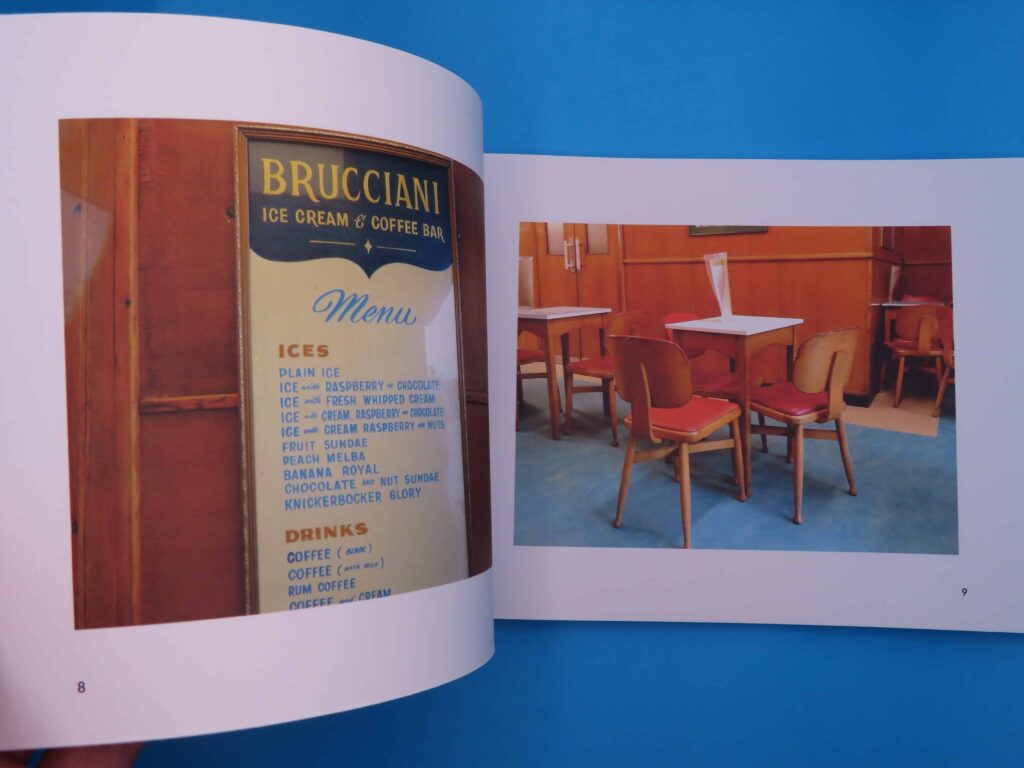
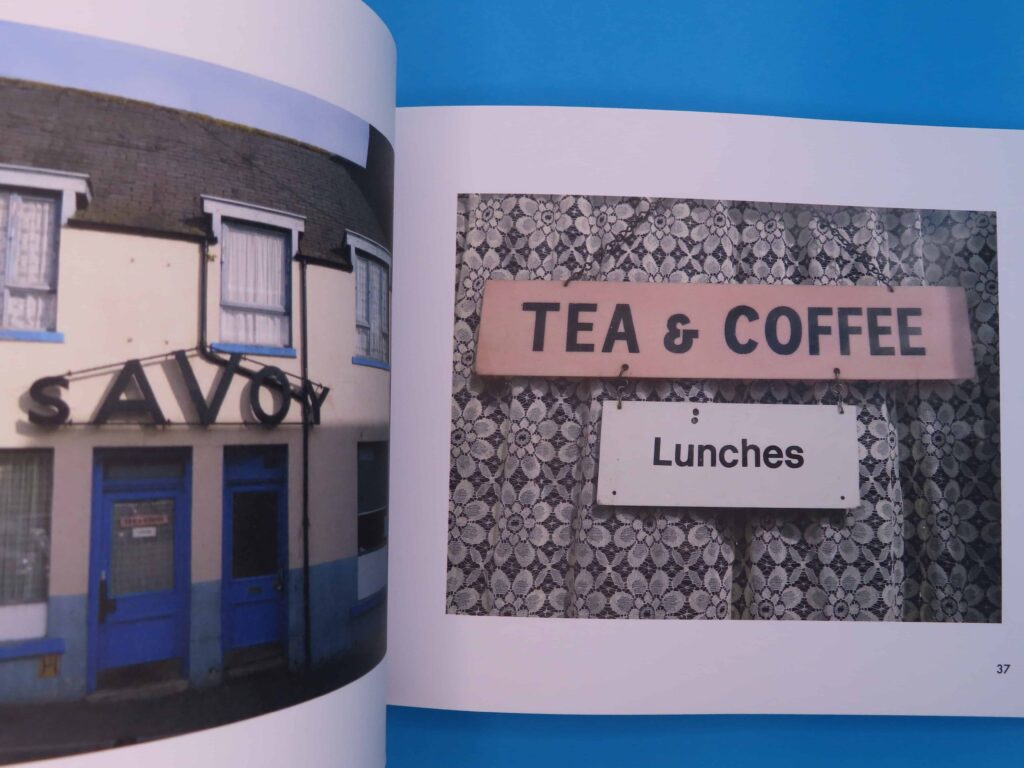
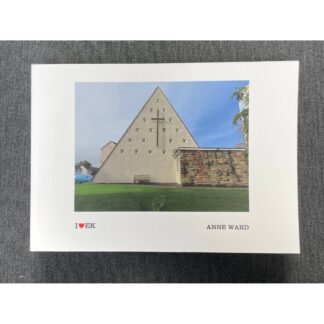
Here’s a new photobook called Chips and Ice Cream. It’s a collection of 60 photos of classic cafes and chippies – a follow-up to Beside the Seaside.
The Ritz, Millport
These photos have been taken over the past 17 years, in cafes around the UK.
Brucciani’s, Morecambe
Some are legendary and have become tourist attractions in their own right.
The Savoy, Brechin
Others are quiet – out of the way and beautifully peaceful.
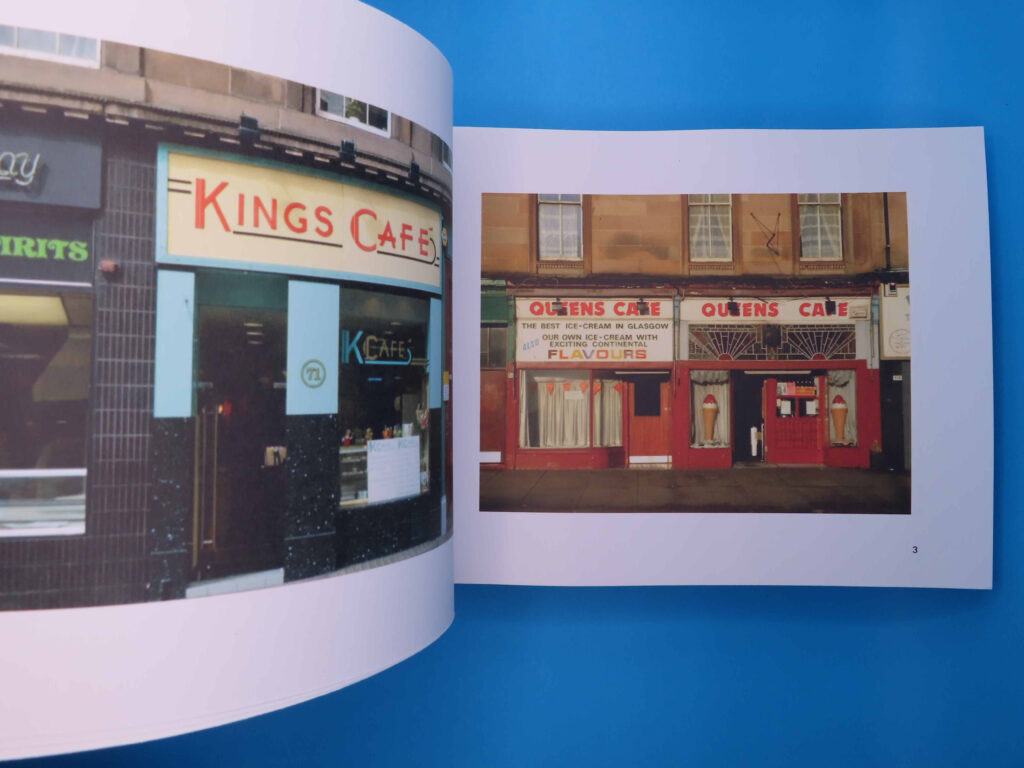
Kings Cafe/Queens Cafe, Glasgow (RIP)
Many of them have closed now. Two Glasgow cafes that have been open forever closed while I was editing the book, which makes the ones remaining feel even more precious. Support your local caff!
Copies cost £8 from the shop. Price includes UK postage.
While we’re on the subject of islands, here’s Luing, from a visit in 2017.
Luing is one of the Slate Islands, in the same group as Easdale.
There is a small car ferry that runs from North Cuan on the mainland to South Cuan on Luing.
It is quite an unusual shape. The crossing takes about 5 minutes.
The island itself is great for walking. We walked from the ferry landing to Cullipool, the main settlement, and visited the Atlantic Islands Heritage Centre.
It was very picturesque and unspoilt – an easy way to get away from it all.
Two ferries run to Lismore. The larger car ferry operated by Caledonian MacBrayne runs from Oban to Achnacroish in the centre of the island. The journey takes around 1 hour. Booking is recommended.
At the north end of the island, a smaller passenger ferry runs between Point on Lismore, and Port Appin on the mainland. The crossing takes around 10 minutes.
We visited on a hot, clear day and it was spectacular. I look forward to visiting again for a better look.