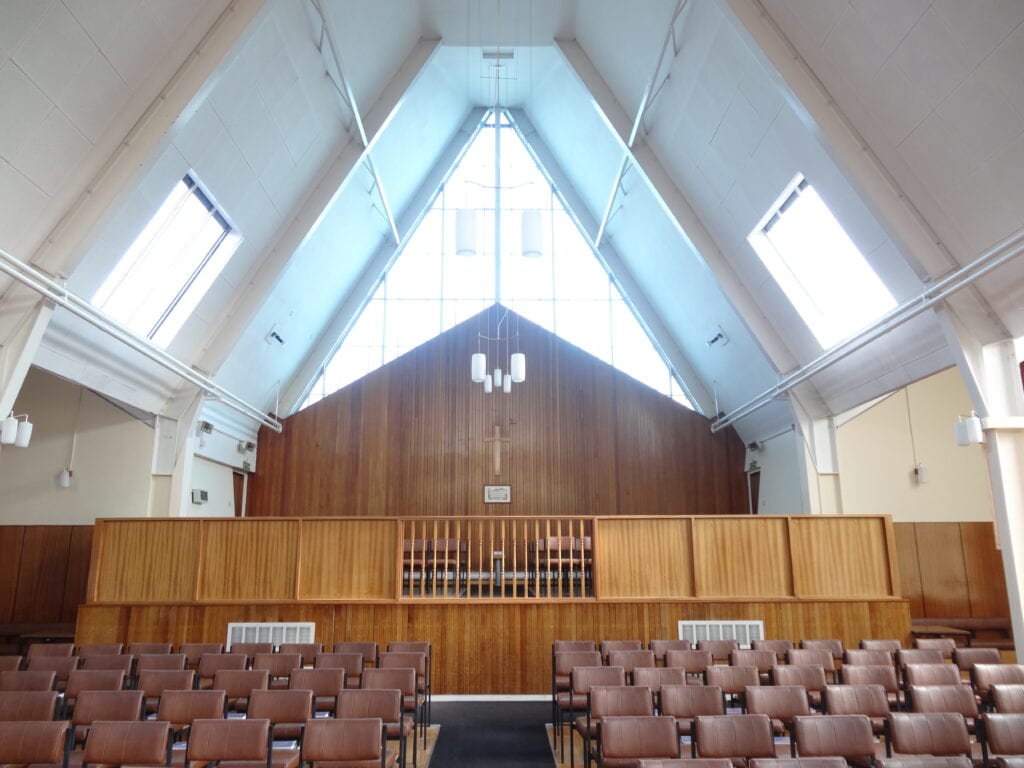
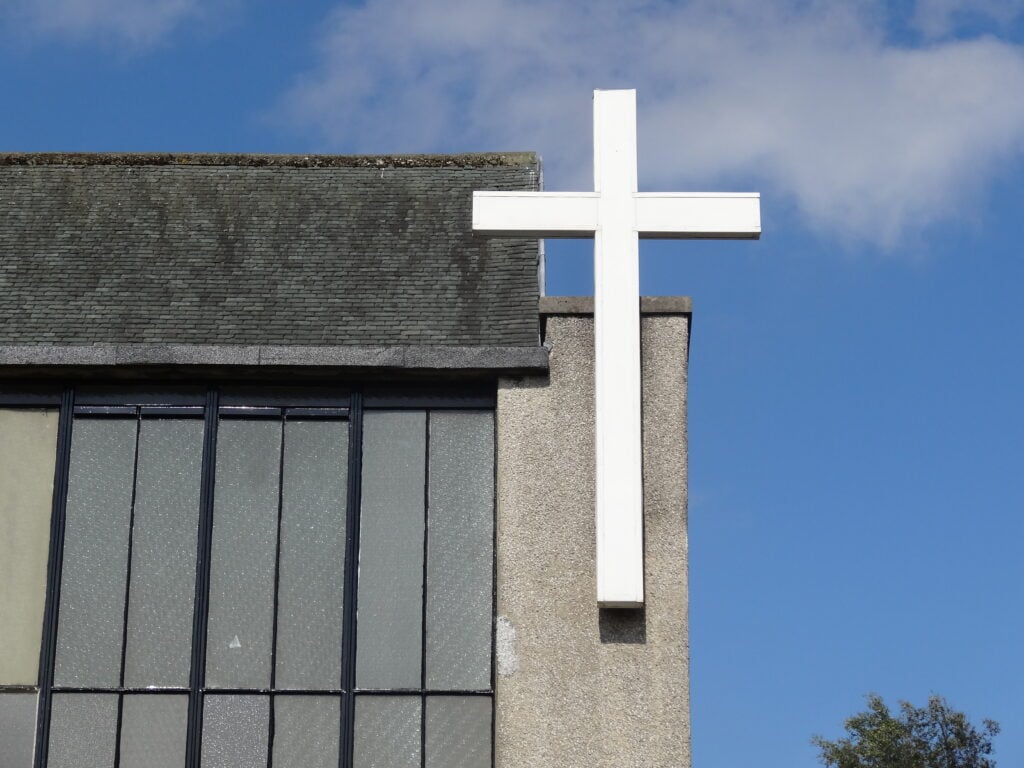
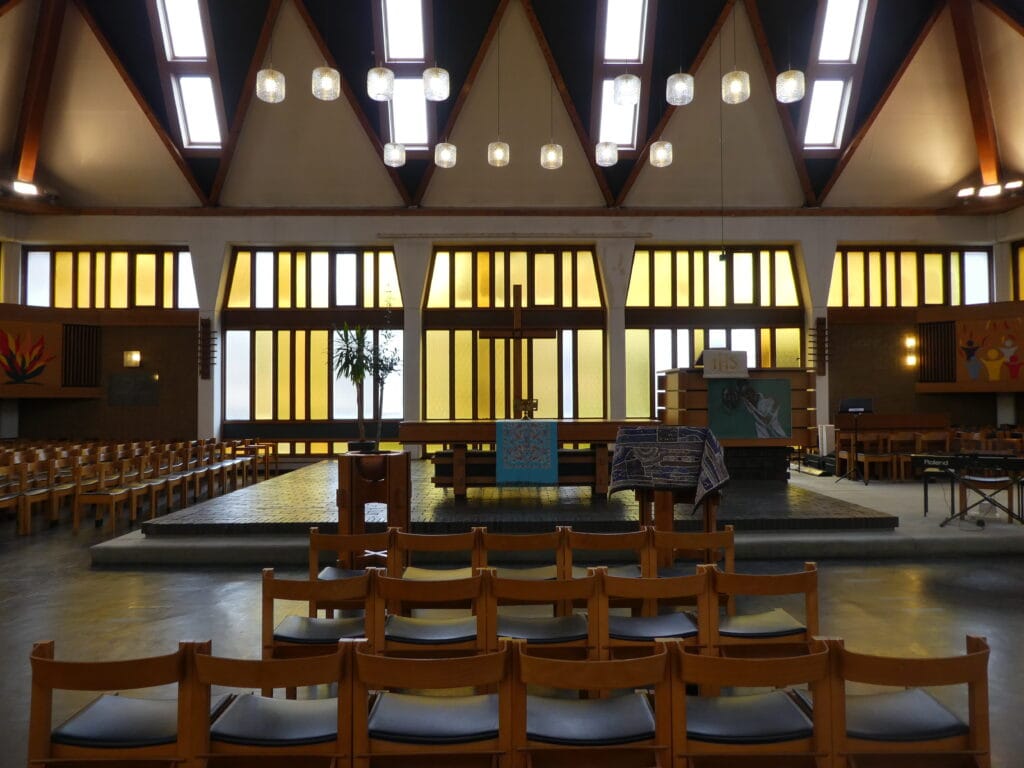
I’ve been enjoying the Twentieth Century Society’s focus on churches (@C20Society on Twitter). It sent me rummaging through my photos for some favourites.
I’m not sure if any city is as proud of its coat of arms as Glasgow. You are never far from one – old or new, carved, engraved, painted, high or low – they are everywhere. Glasgow Coat of Arms started collecting them on Twitter @GlasgowCoA, and the crowdsourced results are currently on show at Glasgow City Heritage Trust in Bell Street until 6 Feb.
The story of St Mungo (Glasgow’s patron saint) and the book, the bell, the fish and the tree certainly caught my imagination at school, particularly the part about the salmon and the ring thrown into the river by the queen’s lover. That seemed a bit racey for primary school, particularly a Catholic one, but it did make saints seem cool.
I’m pleased to have contributed this wee St Mungo door knocker found on Easdale Island, 120-odd miles away from home. The collection is also on Instagram at instagram/GlasgowCoA and is growing all the time.
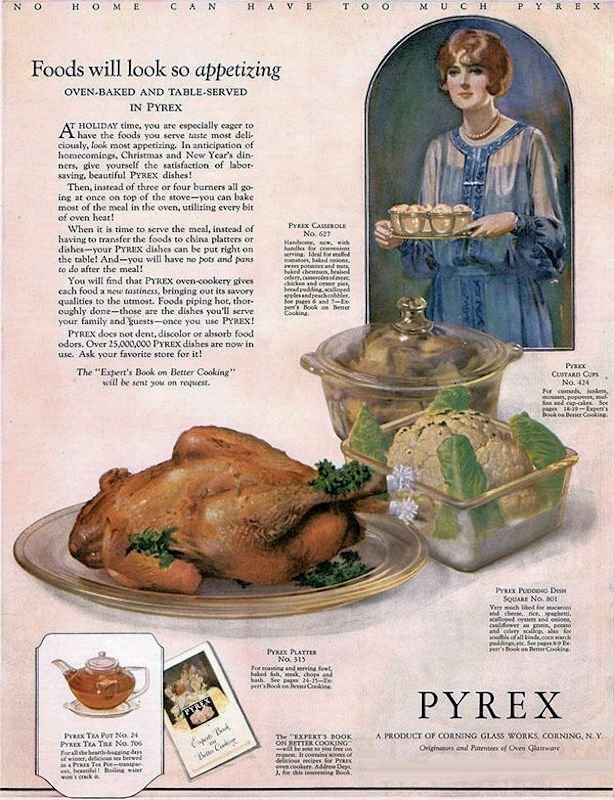
I was trying to identify a Pyrex dish I found in the loft (it turned out to be Chelsea), and lost a few hours admiring vintage Pyrex patterns.
The Pyrex Pattern Library from the Corning Museum of Glass has an extensive chronological archive of patterns, including the wonderfully named Mod Kitchen.
I was still struggling to find my pattern until I found English Pyrex on That Retro Piece. This wonderful site, with beautiful photographs has guides to UK, Australian and New Zealand Pyrex.
All UK Pyrex was produced in by J A Jobling (JAJ) in Sunderland until 2007. The Sunderland Glass Centre has an exhibition called ‘The People’s Pyrex‘ on until May 2020.
Modern Pyrex is still going strong, now made in France. Check out the History of Pyrex.
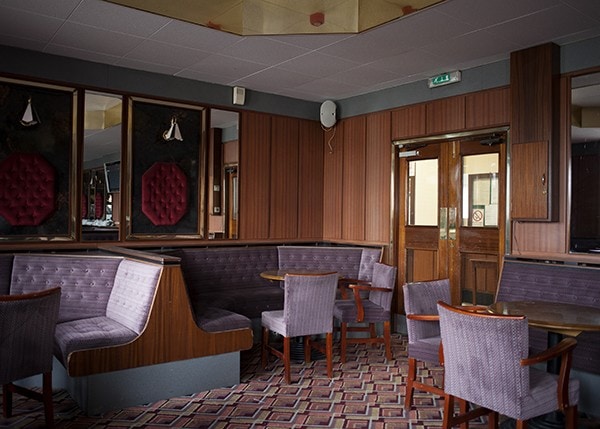
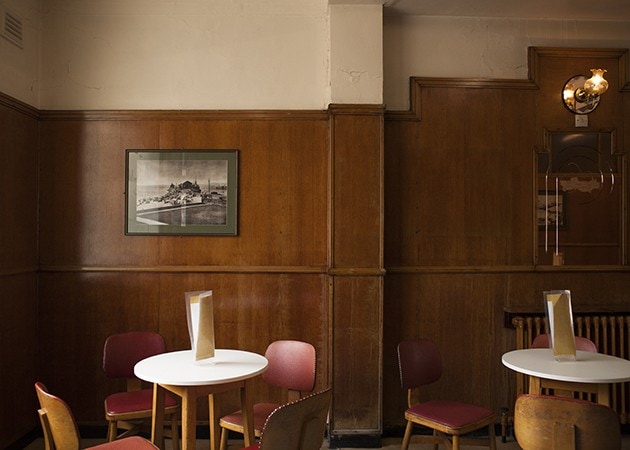
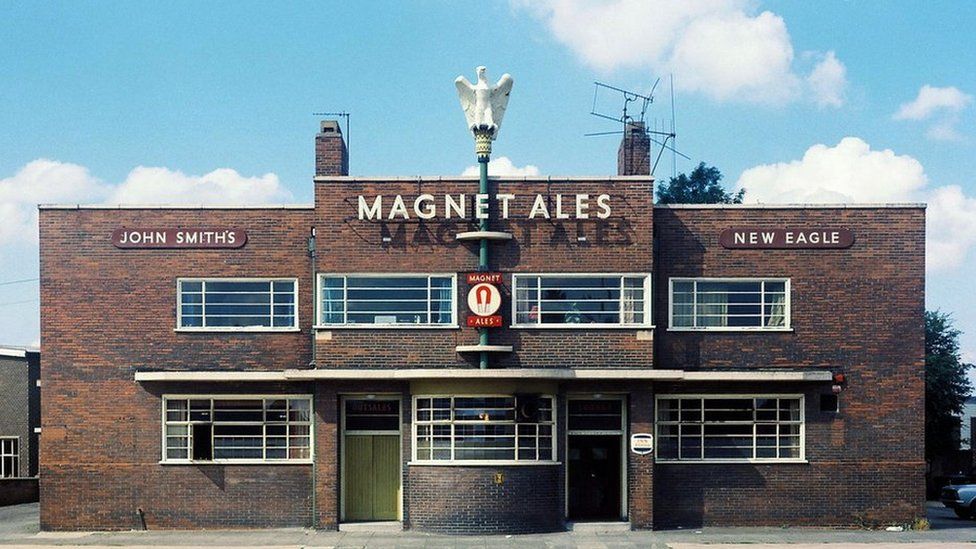
Alishia Farnan, a graduate of Glasgow School of Art specialises in photographing (empty) social spaces. Her series Social State documents social clubs in the West of Scotland.
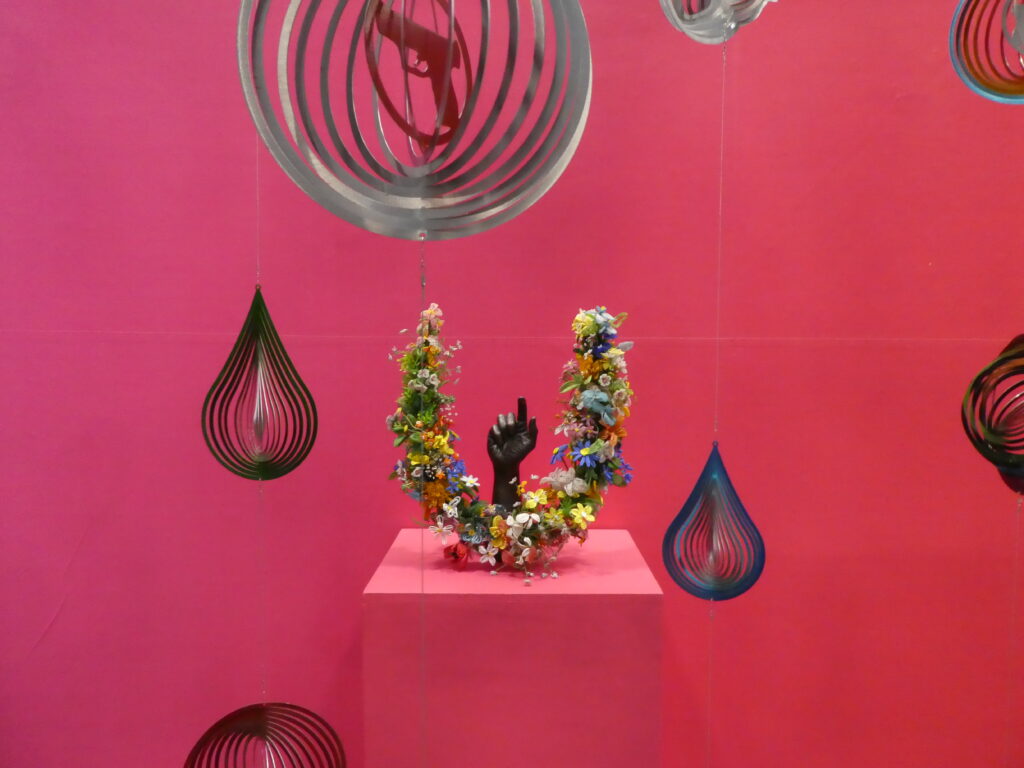
It’s the last couple of weeks of Nick Cave‘s exhibition, Until at the Tramway in Glasgow. Turns out there are two Nick Caves – this one is the Chicago-based artist, not the Australian Brighton-based singer.
Photos don’t really do it justice. It is crammed full of interesting objects, and each part of the exhibition offers up new surprises. On until 24 November.
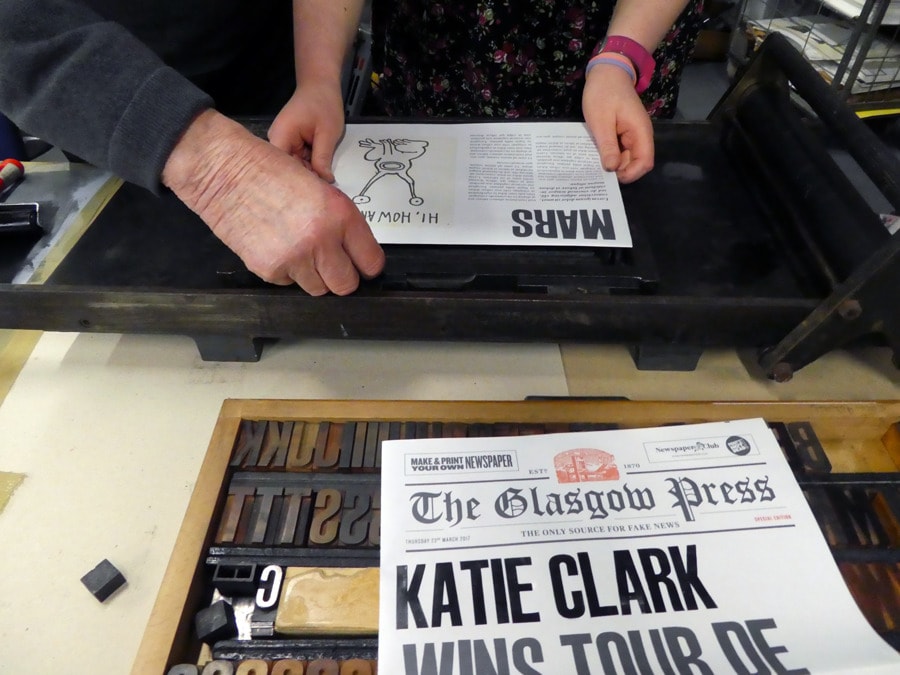
Starting in Govan, Glasgow Press (Saturday only) is a real treat. Enjoy the smell and noise of old-timey letterpress printing, and get your name in headlines with a personalised newspaper, a collaboration with Newspaper Club. You can also enjoy a look at Govan’s historic graving docks while you’re there.
Heading further south, Camphill Gate, a historic tenement, and Langside Halls (across the road from each other) are interesting, and further afield Holmwood House, a spectacular Alexander ‘Greek’ Thomson villa is worth the trip.
In the west, Arlington Baths is one of my favourite buildings in the whole of Glasgow. This well-preserved Victorian baths has so many fantastic features, most famously the superb Turkish Baths. Not to be missed! I will be going along to see if the Slipper Room is still as ramshackle as it was in 2012 (above).
St Charles Borromeo RC Church, North Kelvinside – Saturday only. A striking Gillespie, Kidd & Coia church. This is a short walk from Jaconelli’s Cafe on Maryhill Road if you need to be revived by ice cream.
Glasgow Doors Open Day is my favourite weekend of the year. So many amazing buildings, and every year there are new surprises. Here are a few of my favourites in the city centre, that don’t need to be booked in advance.
Glasgow City Chambers, Saturday only. There are so many magnificent details in the City Chambers, it is always a surprise no matter how many times you visit. There are also free daily tours (Mon-Fri) during the rest of the year.
Garnethill Synagogue, Sunday only. Excellent opportunity to see inside this beautiful building on Hill Street.
The Trades Hall, Merchant City. Lots of fun details in this historic Robert Adam-designed building.
The Pyramid, Anderston Kelvingrove Parish Church – striking Modernist church easily spotted by its green pyramid roof.
Also worth seeing:
The Tenement House, Garnethill. A chance to see this National Trust property for free. It’s a fascinating glimpse of tenement life as it once was.
Britannia Panopticon Music Hall. Always fun to visit, the Panopticon advertises itself as the world’s oldest surviving music hall. It has regular open days throughout the year.
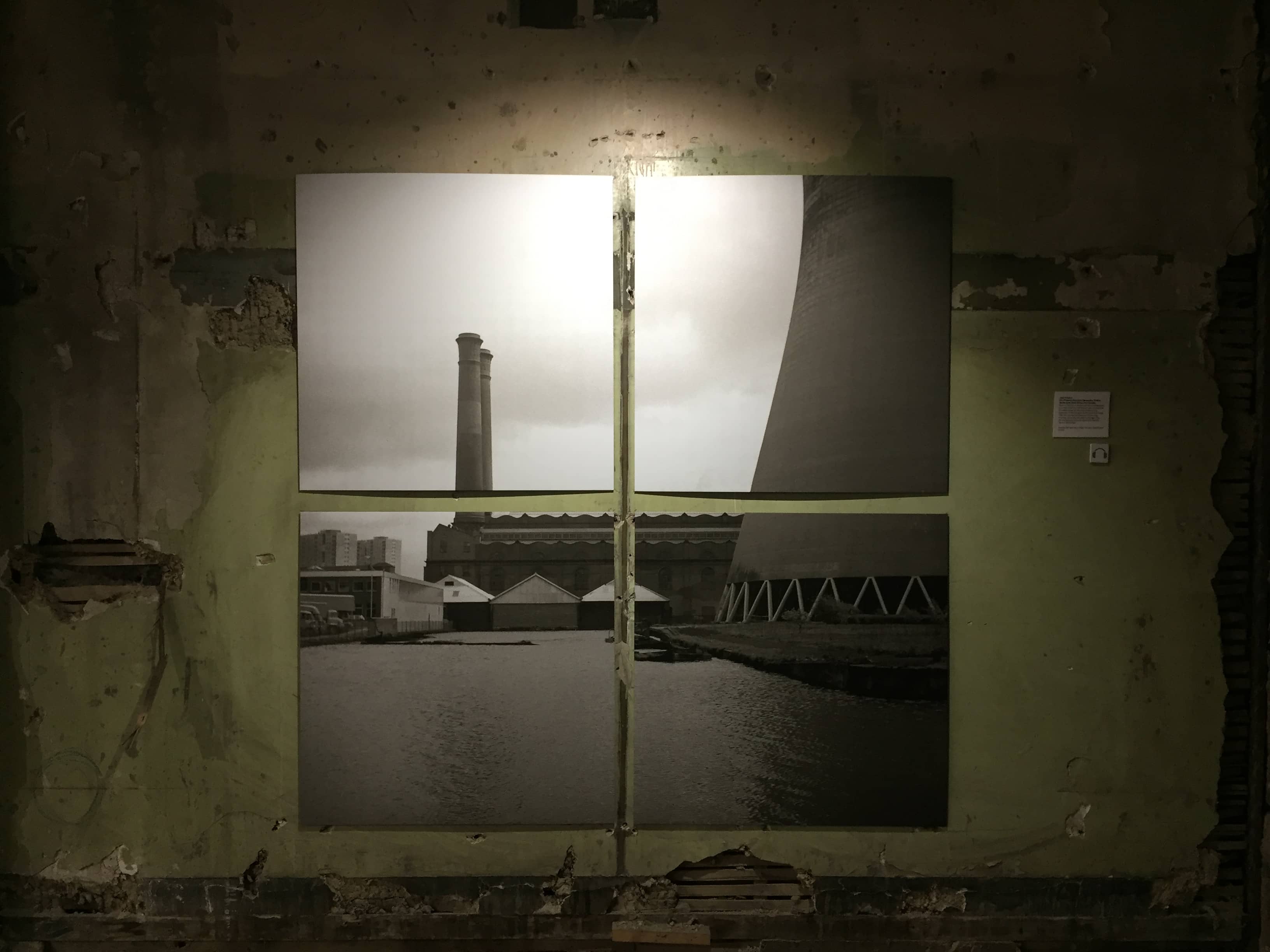
Now Chief Inspector of the Royal Commission on the Ancient Historical Monuments of Scotland, John R. Hume travelled round Glasgow by bike, documenting factories and warehouses all over the city. You might think these things have a fairly limited appeal, but the exhibition space (an imposing former Inland Revenue building in North Frederick Street) was busy for a wet Wednesday, and there was a lively commentary from visitors who could remember the buildings as they were. The exhibition runs to the 5 September (or 7 September according to some info), and photos are also available on Canmore.
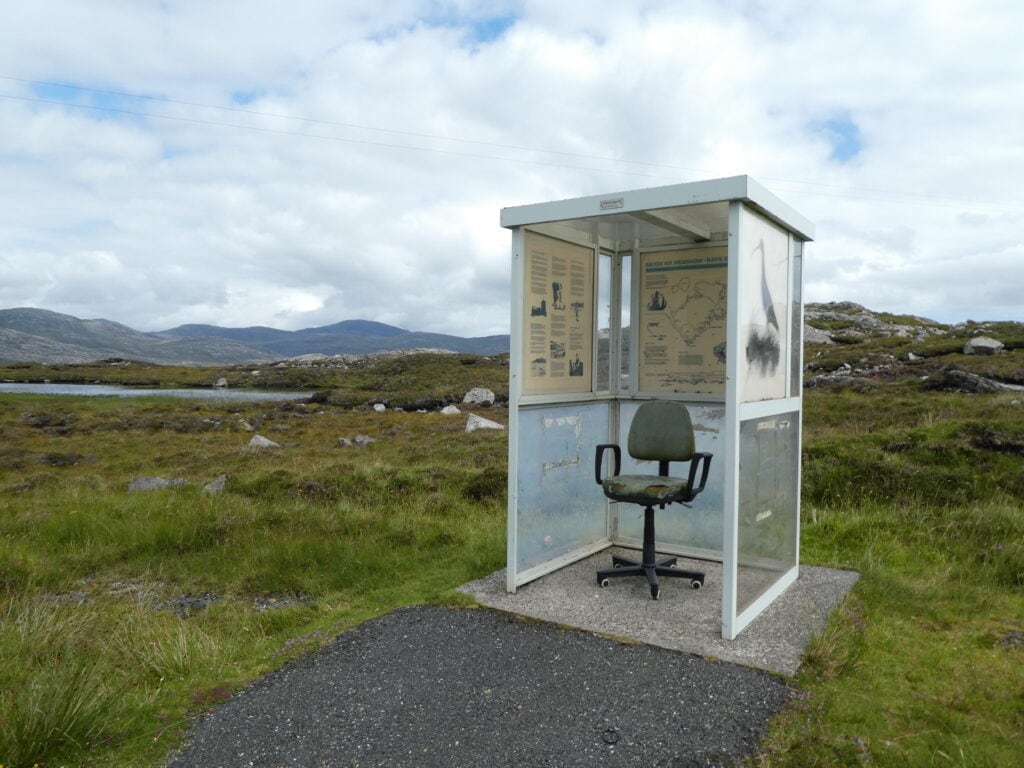
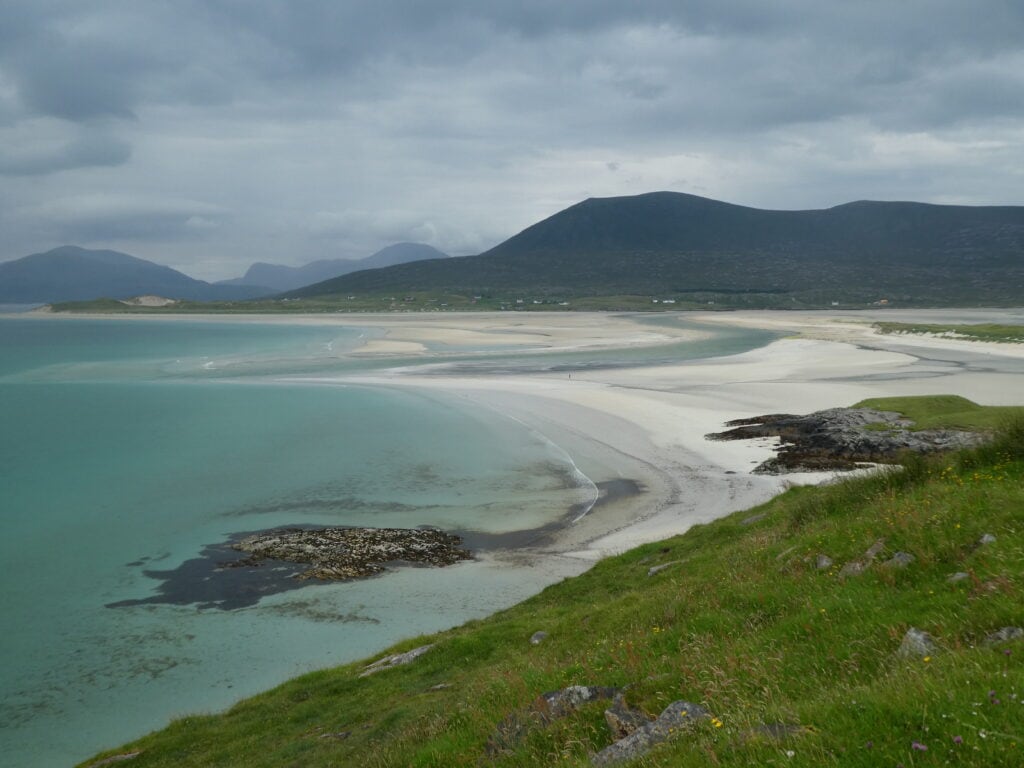
I’ve just spent a week on the Isle of Harris, in the Outer Hebrides. It is a very striking place, full of beautiful beaches and remote, rocky landscapes. Also home to Isle of Harris Gin, with its beautiful bottle, and Harris Tweed (of which more later).
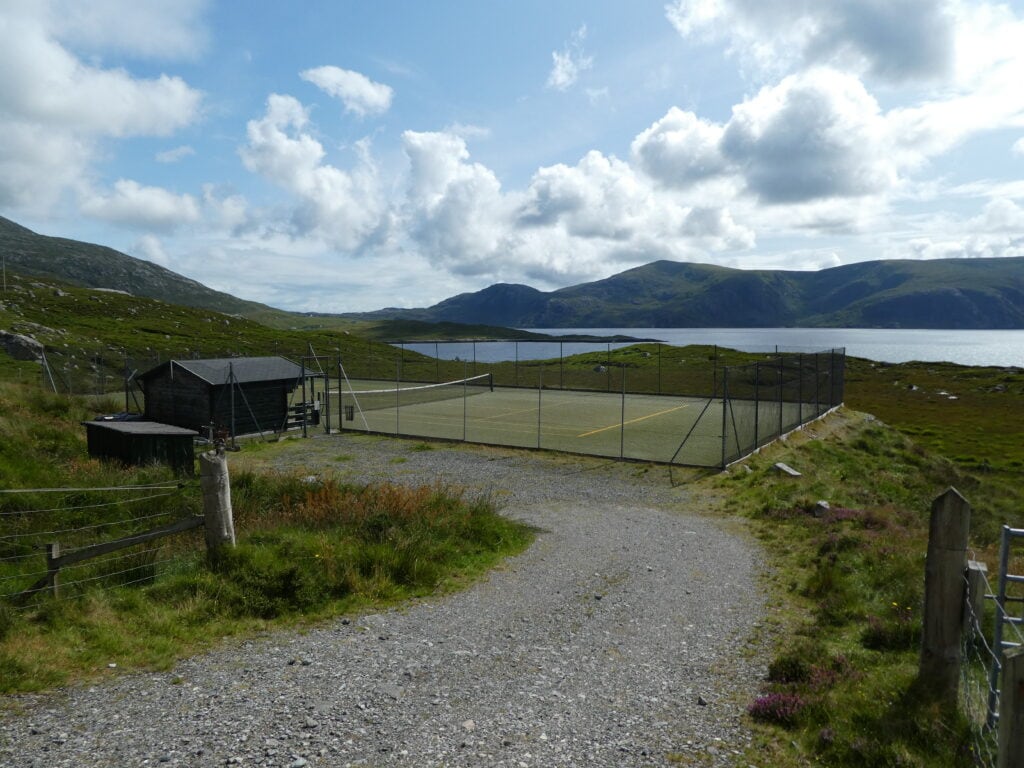
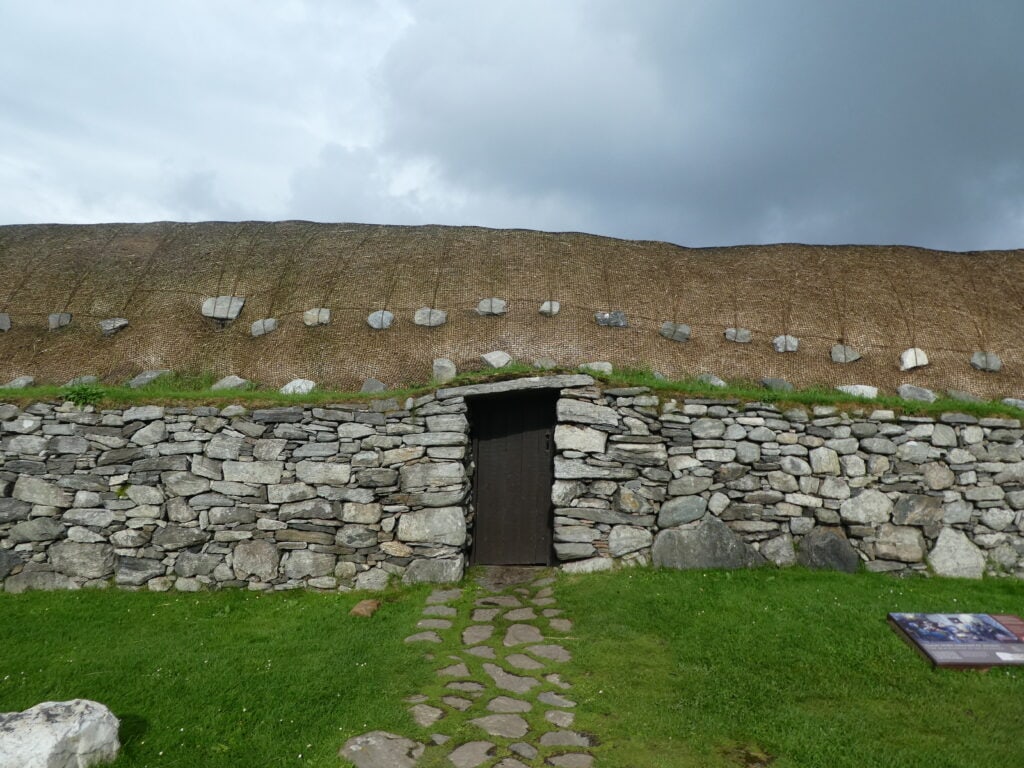
Bunabhainneadar Tennis Court, reputed to be the most remote tennis court in the UKLuskentyre Beach, Isle of HarrisThe Blackhouse, Arnol, on the neighbouring Isle of Lewis
For more Harris photos, John Maher (ex-Buzzcocks drummer) is now a photographer based there. His work features superb shots of Harris and surrounding islands. I enjoyed spotting some of the locations, like unexpected Santa.